Category: economy

  • Food for Lagos Partnership: Kogi Govt Pledges to Empower Farmers, Boost Economy.

    Food for Lagos Partnership: Kogi Govt Pledges to Empower Farmers, Boost Economy.

    Emmanuel lkpeama

    The Kogi State Government has hailed the Food for Lagos partnership as a game-changer for farmers, promising to transform the state’s agricultural sector and improve farmers’ livelihoods.

    This was disclosed in a press statement made available to journalists in Lokoja on Thursday by the State Commissioner for Information and Communications, Kingsley Femi Fanwo,who stated that Governor Ahmed Usman Ododo has initiated concrete measures to boost food production, improve infrastructure, and attract investments into agriculture.

    According to Fanwo, less than two weeks after signing the historic agreement with Lagos State, Ododo has begun implementing concrete measures to boost food production, improve infrastructure, and attract high-value investments into the state’s agricultural sector.

    He noted that government has mapped out key areas for specific crops, leveraging programs like RAAMP and ACReSAL to facilitate rural development.

    Fanwo emphasized that agriculture is receiving unprecedented attention in Kogi, with youth and women actively involved.

    The Governor didn’t just go there to sign papers,” Fanwo stated.

    “He has since returned home to roll up his sleeves and make the partnership a huge success. With the Governor’s efforts, Kogi farmers will earn more from their agricultural produce.”

    He noted that the State Ministry of Agriculture has already mapped out key areas with comparative advantages for specific crops, ensuring that each region contributes meaningfully to the value chain.

    Kogi, he said, is already a leading producer of cassava in Nigeria and West Africa, and the administration is working hard to dominate other areas of food production.

    “We’re not just talking about being the food basket of the nation, we’re taking real steps to become one,”

    “During his campaigns and in his inaugural speech, he emphasized the need for Kogi to be self-sufficient in food production. Today, he is fulfilling that promise.”he said.

    The partnership is expected to enhance food supply, create wealth, and empower Kogi farmers, making them richer and the state stronger economically

    “Agriculture in Kogi is receiving the biggest attention it has ever received,” Fanwo affirmed.

    “Our youth and women from Ibaji to Gegu and Egbe are now fully involved in the agricultural revival sweeping across the state.”

    According to the Commissioner, the state’s growing success in combating rural insecurity has contributed to increased farming activity and boosted confidence among local farmers, pointing out that the Project is a game-changer, not only for food supply in Nigeria’s largest city but also for wealth creation and economic empowerment in Kogi State.

    “With sustained implementation, this partnership will make Kogi farmers richer and the state stronger economically,” he said.


  • Market 12 Backs Sanwo-Olu’s ₦500B ‘Produce for Lagos’ Initiative

    Market 12 Backs Sanwo-Olu’s ₦500B ‘Produce for Lagos’ Initiative

    Glory Adekoya

    Hon. Ibrahim Bin Abdullahi Osama, the chairman hopeful of Mile 12 International Market Association, is giving a big thumbs up to Lagos State Governor Babajide Sanwo-Olu’s ₦500 Billion “Produce for Lagos” Programme.

    Speaking with investigator news he calls it a “timely intervention” that’ll boost productivity, economic growth, and stable food supplies.

    He noted that this programme is a game-changer for agricultural production, food availability, and sustainability, especially for Mile 12 International Market, Nigeria’s largest food distribution hub.

    “This is a groundbreaking move by Governor Sanwo-Olu. The ‘Produce for Lagos’ Programme will empower farmers, strengthen agricultural value chains, and ensure that essential food items flow consistently into Lagos markets at affordable prices.

    “It is a lifeline for traders, consumers, and the economy at large,” Hon. Osama said.

    Hon. Osama believes the programme will empower farmers, strengthen agricultural value chains, and ensure affordable food prices in Lagos markets.

    He pledged the full strategic support of Mile 12 International Market stakeholders to ensure the success of the programme.

    “As market leaders, we are committed to working closely with the government, producers, and distributors to make this initiative sustainable.

    “Governor Sanwo-Olu has once again proven his dedication to the welfare of Lagosians, and we must all rally behind this vision,” he added.

    Hon. Ibrahim Bin Abdullahi Osama further assured that, under his leadership if elected, the Mile 12 International Market Association would implement strategic frameworks to align with the government’s objectives, improve market operations, and strengthen food security in Lagos State.


  • Kogi Gov. Ododo Signs 7 Landmark Bills, Pledges Continued Focus on Transformative Governance.

    Kogi Gov. Ododo Signs 7 Landmark Bills, Pledges Continued Focus on Transformative Governance.

    Emmanuel Clement 

    Kogi State Governor Usman Ododo has signed seven bills into law, reaffirming his commitment to impactful governance and people-oriented development.

    Investigator news reports that the bills cover key areas like oil-producing community development, disaster management, environmental protection, electoral reform, and land administration.

    Ododo emphasized that these laws will reshape critical sectors and improve lives, warning that his administration will enforce them strictly with zero tolerance for impunity.

    ‎Speaking shortly after the signing ceremony at the Government House in Lokoja,on Friday 25, July 2025,the Governor appreciated the Speaker, Aliyu Umar, principal officers and Honourable Members of the State Assembly for what he described as deep sense of responsibility and commitment to good governance, stressing that the bills reflect a shared vision to improve the lives of Kogites and strengthen key pillars of development across the state.

    ‎“These laws are not just mere words on paper; they’re bold steps toward reshaping critical sectors of our development journey, from oil-producing community advancement to electoral reform, land management, environmental protection, and urban regulation.”

    ‎He noted that the amendment to the Kogi State Oil Producing Area Development Commission Law would ensure that oil-bearing communities in the state now benefit from a more transparent, structured, and impactful development framework.

    Ododo went further to say that the re-enactment of the Kogi State Emergency Management Agency Law has equipped the state with a more coordinated mechanism for disaster preparedness and response.

    ‎He also highlighted the importance of establishing the Kogi State Climate Change Agency, saying it was a clear indication of the government’s commitment to environmental protection, sustainable living, and securing a safer, greener future for generations to come.

    He described the legislation as “long overdue,” noting that the increasing risks posed by unregulated movement of heavy trucks necessitated immediate and decisive action to restore order, reduce accidents, and improve the flow of traffic in the city.

    ‎In another development,the Governor also signed the new Kogi State Independent Electoral Commission (KOSIEC) Law, which he said would provide a stronger legal foundation for transparent, credible, and inclusive local government elections, as well as the establishment of the Kogi State Bureau of Lands.

    According to him, the agency would modernize land administration, eliminate unnecessary bottlenecks in land acquisition and documentation, and boost investor confidence in the state’s property sector.

    ‎He stressed the importance of agriculture to Kogi’s economy, stating that the amendment of the Commodity Exchange and Export Promotion Law was aimed at empowering farmers, strengthening the agricultural value chain, and positioning Kogi as a major player in national and international agro markets.

    He cited his recent visit to Lagos, where he signed a landmark partnership deal targeted at transforming the lives of farmers and scaling Kogi’s agricultural output while urging the people to take the newly signed laws seriously, warning that anyone who violates the law, regardless of status, would be held accountable, underscoring his administration’s zero-tolerance policy on impunity.

    ‎“I remain committed to delivering a Kogi State that works for all, where governance is not about promises but about action; not about words, but about impact.”

    ‎Rt Hon. Aliyu Umar, the Speaker of the Kogi State House of Assembly, lauded the Governor for his development strides in the state, assuring him of the cooperation of the House of Assembly.

    He urged the Governor to throw all his political will behind the smooth implementation of the laws.

    ‎While praising the governor for sponsoring what he termed, “People -oriented” laws, stated that some of the bills have taken care of some agencies that have been operating in the state for more than 30 years without legal backing.

    ‎He however urged the state governor to help digitize the House of Assembly Complex, in order to enhance their administrative efficiency, noting that two other bills will soon be passed to the executive for the governor’s assent.

  • Produce for Lagos Programme’ to Boost Food Security, Market Stability – Governor Ododo

    Produce for Lagos Programme’ to Boost Food Security, Market Stability – Governor Ododo

    Tunde Omoniyi

    Governor Ahmed Usman Ododo of Kogi State has emphasized that his state’s involvement in the “Produce for Lagos Programme” will achieve food security, market stability, and inclusive growth.

    He stated this on Wednesday in Lagos during the programme’s inauguration and the launch of the ₦100 billion Offtake Guarantee Fund.

    He said, “A significant number of Kogi citizens have made Lagos their home, investing their skills, resources, and energy into the development of this great State.

    “Kogi has always been part of the greatness of Lagos, and today, we’re elevating that legacy, by building a partnership that works, not just for two states, but for the entire nation.”

    Speaking further, he said, “We see this partnership as a mutual investment in people, productivity, and prosperity. Kogi produces food.

    Lagos consumes food. When we work together, what we achieve is food security, market stability, and inclusive growth.

    “I want to thank my brother and colleague, His Excellency Governor Babajide Olusola Sanwo-Olu, for his visionary leadership and for inviting Kogi to be part of the Produce for Lagos programme and the launch of the ₦100 billion Offtake Guarantee Fund.

    “This initiative is not only timely but transformational.

    “It signals a bold and strategic step to align production with demand and strengthen food systems across regional boundaries.” Ododo stated.

    On the commitment of his administration to agriculture, he said, “In Kogi State, our administration has made agriculture a top priority.

    “We’re not just cultivating crops; we’re strengthening our agricultural value chain. We have prepared thousands of hectares of land across the state, provided improved seedlings and livestock breeds, deployed mechanized farming equipment, and extended grants to over 10,000 farmers to scale production.

    “We’re proud that Kogi leads Nigeria in cassava production, and we’re among the top producers of yam, maize, and other cereals.

    “We’re making strategic investments to boost ginger farming, one of the most commercially viable crops globally today.

    “To support all of this, we’ve revitalised our agricultural extension services, ensuring that technical advice, inputs, and monitoring reach the farmers where they are.

    “We know that more than 80% of our agricultural produce comes from the rural areas. Therefore, we are also investing in rural life, by remodeling healthcare facilities, building modern schools, electrifying underserved communities, and improving farm-to-market roads.

    “What this partnership with Lagos achieves is market assurance. Our farmers can now produce with confidence, knowing that there is a structured and reliable offtake system in place.

    “It’s not just about farming anymore, it’s about structured prosperity for the entire agricultural ecosystem.

    “Let me also commend Origin Tech Group Nigeria Limited for their foresight and investment in this noble project.

    “The private sector must play a central role in our national agricultural renaissance, and you’re leading by example.”

    The governor also lauded President Bola Tinubu for the various initiatives established at the federal level to support food security.

    “At the national level, we’re greatly inspired by the vision of our President, our father and our leader, His Excellency Asiwaju Bola Ahmed Tinubu.

    His administration’s Greener Hope Agricultural Productivity Programme, with $1 billion already committed, has reaffirmed that agriculture is the new oil.

    Mr. President has shown uncommon courage and clarity of purpose in redirecting our national energy toward food production and value chain development.

    “Your Excellency, Mr. President, Nigeria needed a bold and patriotic leader who would not just echo hope, but implement it. In you, we have that leader.

    “You’re building a Nigeria that eats what it produces and produces what it eats.

    “Kogi is proud to align fully with the Renewed Hope Agenda. Today’s event is not just symbolic; it’s substantive.

    “It marks a new vista of collaboration that puts people first and strengthens the pillars of national unity through shared prosperity.

    “Let me once again assure the Government and people of Lagos State that this partnership won’t end on paper.

    We’re committed to making it work for the sake of the farmers who plant, the traders who move, and the families who eat. Together, let’s prove that when states collaborate, Nigeria wins.”he submitted


  • Heads of Marine and Blue Economy Agencies Sign 2025 Performance Bonds with Oyetola.

    Heads of Marine and Blue Economy Agencies Sign 2025 Performance Bonds with Oyetola.

    Felicia Asuquo, Abuja 

    In a bold step to strengthen accountability, transparency, and alignment with national development priorities, the Honorable Minister of Marine and Blue Economy, His Excellency Adegboyega Oyetola,on Thursday 15,May 2025,oversaw the formal signing of the 2025 Performance Bonds by the heads of government agencies under the Ministry.

    The signing of the 2025 Performance Bonds was held during the conclusion of the two-day 2025 Sectoral Retreat of the Ministry in Abuja, which was themed “Maximizing Nigeria’s Maritime Potential: A Blueprint for Sustainable Blue Economy Growth.”

    The 2025 Performance Bond serves as a strategic commitment by agency chief executives to deliver on clearly defined goals within the fiscal year.

    The Performance Bond is not merely a formality, but a performance-driven agreement designed to track progress, ensure accountability, and guide quarterly reporting in line with the Ministry’s overarching strategic vision.

    Underscoring the significance of the document, the Honourable Minister said, “This is not just a ceremonial document; it is a living, dynamic tool that will guide our actions, track our performance, and ensure that we hold ourselves accountable to the Nigerians.

    “It reflects our collective ambition to elevate Nigeria’s marine and blue economy sector and fully unlock the potential of the blue economy for sustainable national growth.”

    The Performance Bonds were signed by the chief executives of all agencies under the Ministry, including the Nigerian Ports Authority (NPA), the Nigerian Maritime Administration and Safety Agency (NIMASA), the Nigerian Shippers’ Council (NSC), the National Inland Waterways Authority (NIWA), the Council for the Regulation of Freight Forwarding in Nigeria (CRFFN), and the Maritime Academy of Nigeria (MAN), Oron.

    Others include the Nigerian Institute for Oceanography and Marine Research (NIOMR), the Federal College of Fisheries and Marine Technology, the National Institute for Freshwater Fisheries Research (NIFFR), New Bussa, the Federal College of Freshwater Fisheries Technology (FCFFT), New Bussa, and the Federal College of Freshwater Fisheries Technology (FCFFT), Baga.

    Each agency’s deliverables under the 2025 Performance Bond were drawn from its approved Annual Work Plan and jointly reviewed with the Central Results Delivery Coordinating Unit (CRDCU).

    These commitments are structured to support implementation of the National Policy on Marine and Blue Economy and are aligned with the Ministry’s efforts to foster inter-agency collaboration and measurable impact across the sector.

    Signing the Performance Bond symbolized not just a contract, but a shared pledge to national service and sectoral transformation.

    The Honourable Minister urged all agency leaders to treat the Performance Bond as a guiding compass for 2025, emphasizing that the success of the Ministry will be measured not by intentions, but by the tangible outcomes delivered to Nigerians.

    He reiterated the Ministry’s commitment to tracking implementation to ensure transparency and sustained public confidence in the sector’s progress.


  • Governor Sanwo Olu lnaugurates New Bus Station ln Abule Egba.

    Governor Sanwo Olu lnaugurates New Bus Station ln Abule Egba.

    ……..As Governor slashes Red Line train fares by 30 per cent

    ……..Says Lagos should expects delivery of CNG, electric buses third quarter.

    Emmanuel lkpeama 

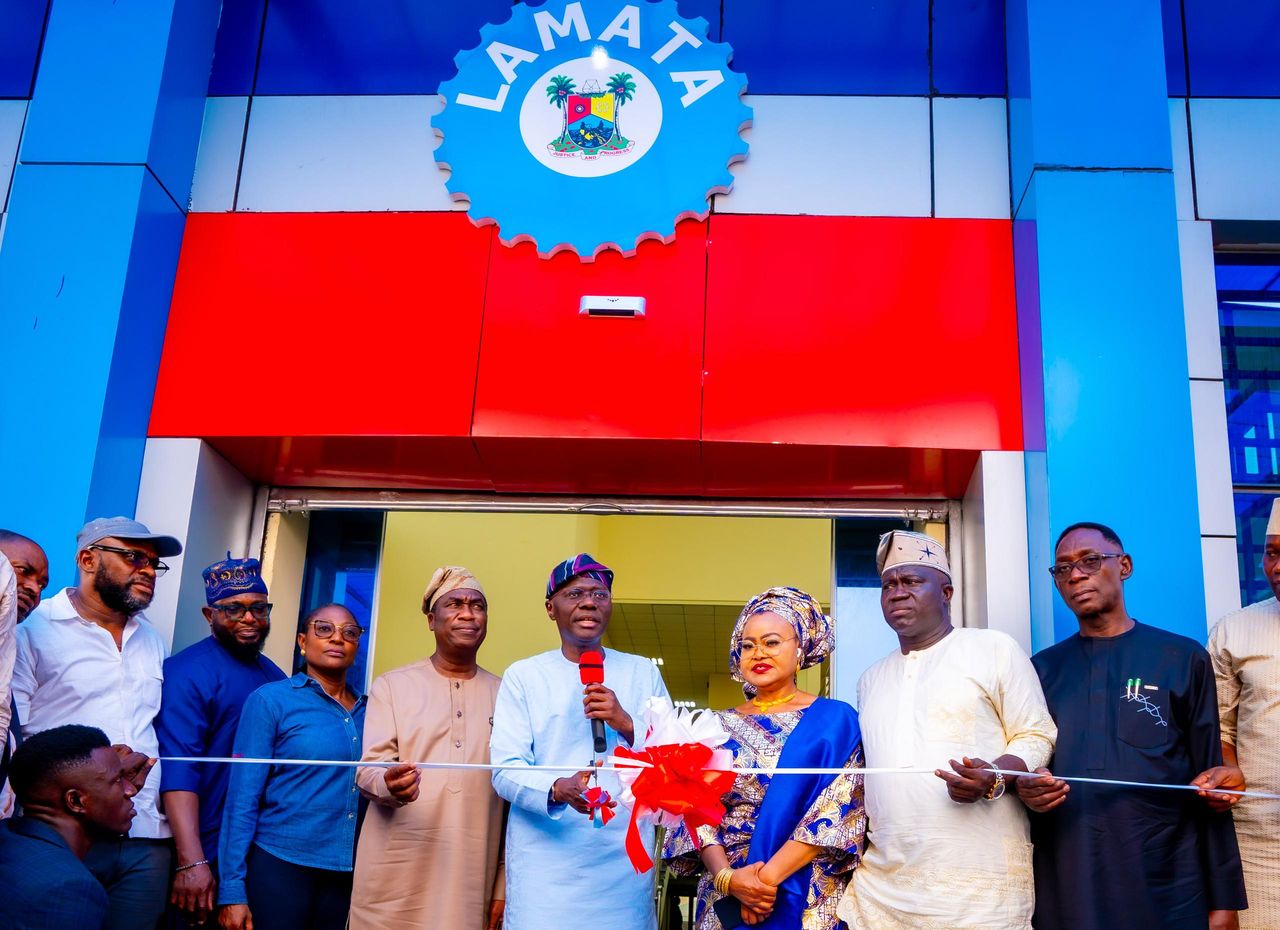
    Abule Egba suburb in Orile-Agege Local Council Development Area (LCDA) has been integrated into the growing network of Lagos communities connected by modernised public bus stations.

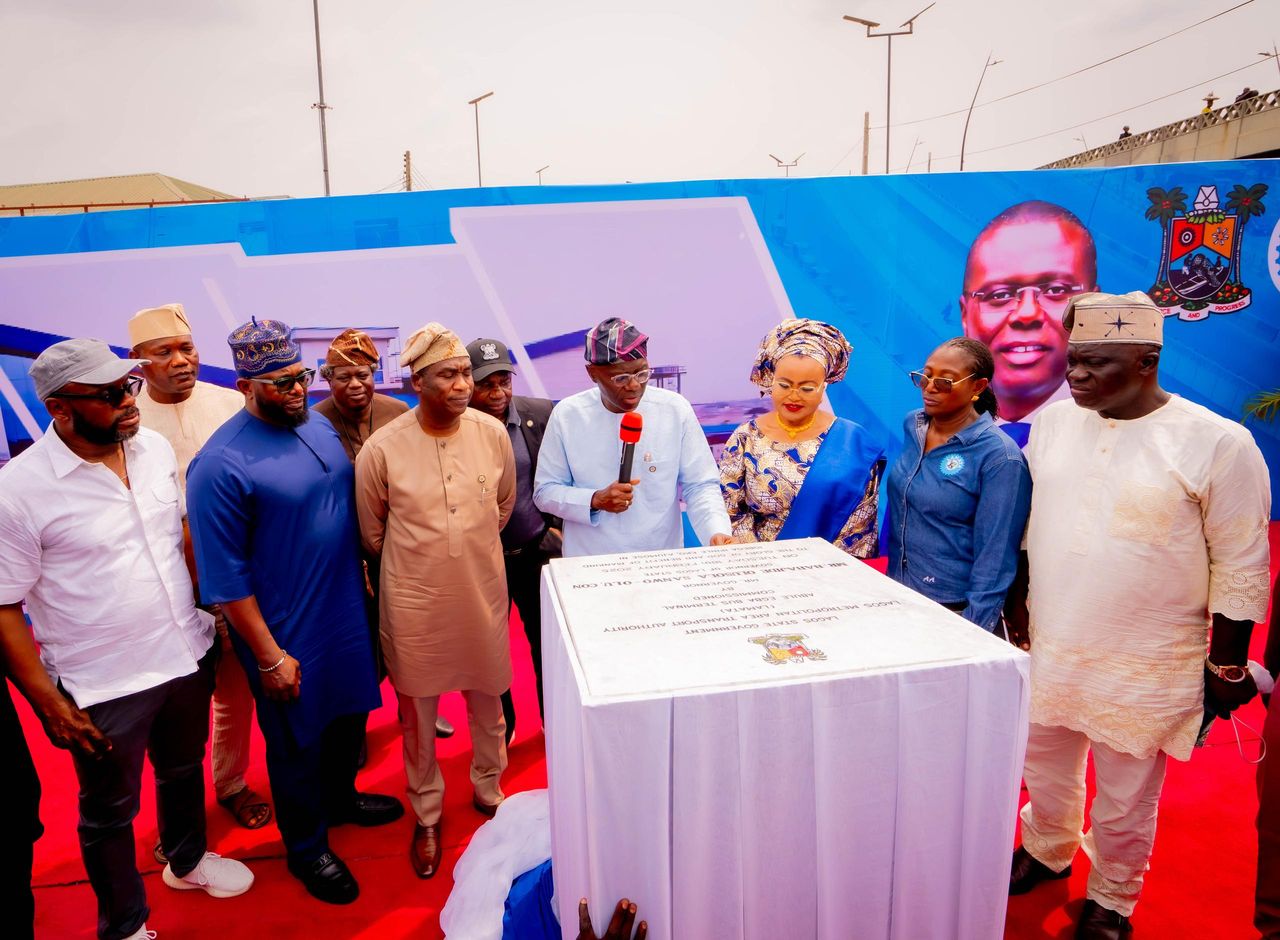
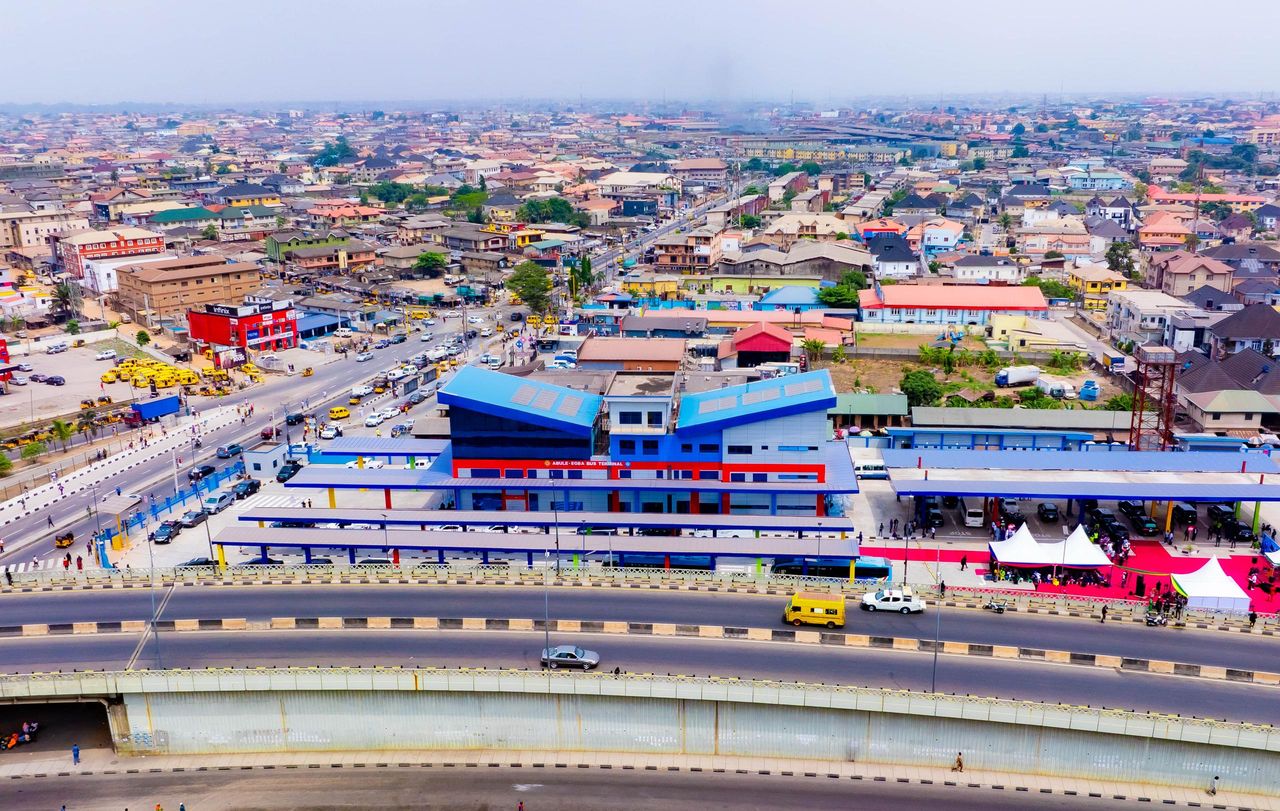
    Governor Babajide Sanwo-Olu, on Tuesday 18, January 2025,commissioned the newly completed Abule Egba Bus Terminal to aid and enhance seamless mass transportation from the suburb to other parts of the metropolis.

    Investigator news reports that the imposing transport infrastructure, which is strategically situated close to Lagos Red Line corridor, provides a convenient transport route for passengers to board, exit buses and connect to other forms of transportation.

    Sanwo-Olu said the project was another milestone recorded in his administration’s ongoing efforts to upgrade the State’s public transportation system with modern and sustainable infrastructure in order to enable the facilities meet up Lagosians’ commuting aspirations.

    The Governor said the new bus terminal reflected his commitment to continuously enhance public transportation systems, strengthening connectivity and improving the overall experience for commuters.

    He said: “Six years ago, we made a pledge to the people of Lagos that we would upgrade the State’s public transportation system with modern, sustainable infrastructure to enable them meet up their daily aspirations.

    Today, we are here in Abule Egba within Orile-Agege LCDA to handover yet another modernised bus terminal to our residents in fulfillment of our promise.

    “This is a public bus terminal that will aid seamless commuting from here to other parts of Lagos.

    This infrastructure reflects our commitment to continuously enhancing public transportation systems, strengthening connectivity, and improving the overall experience for commuters.

    We are dedicated to taking ongoing steps to advance and modernise transportation across the State.”

    Sanwo-Olu said his administration’s vision was not only to enhance mobility but also to catalyse urban and economic growth through interconnected transportation networks where residents would have choices to commute by rail, water or land.

    He disclosed that his Government was building two additional interchange hubs in Marina and Mile 2, while another bus terminal is at the advanced stage of construction in Iyana Ipaja axis.

    To further make intracity rail transport accessible to residents, Sanwo-Olu announced a 30 per cent reduction in fares for Lagos Red Line service, bringing down the fares from N1,500 to N1,000.

    The Governor said the State was expecting the arrival of new Compressed Natural Gas (CNG) buses and electric buses by the third quarter of the year to enhance bus services.

    The addition, he said, would expand the State’s current fleet, while also increasing the availability of buses and reducing waiting times at bus stops for commuters.

    Urging residents in the area to take ownership of the project, Sanwo-Olu said: “This infrastructure has been made possible through your tax conlissioner for Transportation, Mr. Oluwaseun Osiyemi, observed that the State’s strategic transportation policy emphasised provision of modern infrastructure to reduce travel time, while ensuring safety.

    The Commissioner who was represented by the Permanent Secretary in the Ministry of Transportation, Mr. Wale Musa, said the State’s transportation policy was built upon a foundation of inclusivity, sustainability, and innovation.

    “This policy embodies the government’s commitment to providing safe, reliable, and affordable transportation options for all residents, regardless of their socio-economic status or location within the state as well as the integration of our various modes of transport system,” the Commissioner said.

    Managing Director of Lagos Metropolitan Area Transportation Authority (LAMATA), Mrs. Abimbola Akinajo, noted that sustainable infrastructure remained the backbone that would make seamless connectivity possible in a transport system.

    She said: “Bus terminals are important because they offer central location for passengers to board and connect to other forms of transportation.

    To date, the Lagos Government has provided bus terminals in Ikeja, Oshodi, Ajah, Oyingbo, Yaba, Ojota, Ifako Ijaiye and now at Abule Egba. Iyana Ipaja bus terminal will soon join the list.”

    Investigator news gathered that notable features in the Abule Egba terminal include loading bays, a terminal building with a customer service area, a waiting area, spaces for restaurants and other commercial services, offices for ground staff, public conveniences, a water treatment plant and provision for green energy, among others.


  • House Of Rep,Wale Raji Hosts AfDB Delegation to Boost Livestock Development in Nigeria.

    House Of Rep,Wale Raji Hosts AfDB Delegation to Boost Livestock Development in Nigeria.

    Emmanuel lkpeama 

    In a significant move aimed at revitalizing Nigeria’s livestock sector, Hon Wale Raji, Chairman of the House Committee on Livestock Development, hosted a high-level meeting with delegates from the African Development Bank (AFDB) and the Permanent Secretary of the Federal Ministry of Livestock Development.

    Investigator news reports that Hon Wale Raji hosted several key officials in his office, including Dr. Akujobi Chinyere Ijeoma, Permanent Secretary of the Federal Ministry of Livestock Development; Martin Fregene, Director of the Agriculture & Agro-Industry Department (AHAI) at the African Development Bank (AfDB); Tabi Karikari, Chief Agro-Industry Officer at the Nigeria Country Department (RDNG) of AfDB and Sule Ochai, Senior Consultant for Agricultural Policy in the Agriculture & Agro-Industry Department (AHAI) at AfDB; Ihedioha Onyema Damian, Division Manager of AHAI 1 in the same department at AfDB; and Mbaram Richard-Mark, Embed Advisor for Stakeholder Engagement & Partnerships at the National Agricultural Growth Scheme Office.

    The discussions, which took place at his office in Abuja on Tuesday 28, January 2025,focused on strategic collaborations to enhance livestock production and agribusiness investments in the country which underscored AFDB’s potential role in providing financial and technical support to modernize Nigeria’s livestock industry, which is crucial for food security, job creation, and economic diversification.

    With Nigeria’s growing population and increasing demand for animal protein, stakeholders emphasized the need for improved infrastructure, disease control measures, and innovative funding mechanisms to support livestock farmers.

    Hon Raji representing Epe Federal Constituency in Lagos State highlighted the sector’s role in reducing poverty and boosting GDP, stressing that increased AfDB involvement could accelerate the adoption of modern ranching systems, enhance dairy and meat production, and create sustainable value chains.

    Investigator now gathered that the discussions also explored policy reforms that would attract private-sector investment and drive long-term growth in the industry.

    The outcome of this engagement is expected to lay the groundwork for strategic partnerships that will not only strengthen Nigeria’s livestock economy but also position the country as a major player in Africa’s agribusiness sector.


  • Fiscal Strength And Healthcare: Anambra Thrives Among Top 5 States Under Governor Soludo.

    Fiscal Strength And Healthcare: Anambra Thrives Among Top 5 States Under Governor Soludo.

    By Christian ABURIME

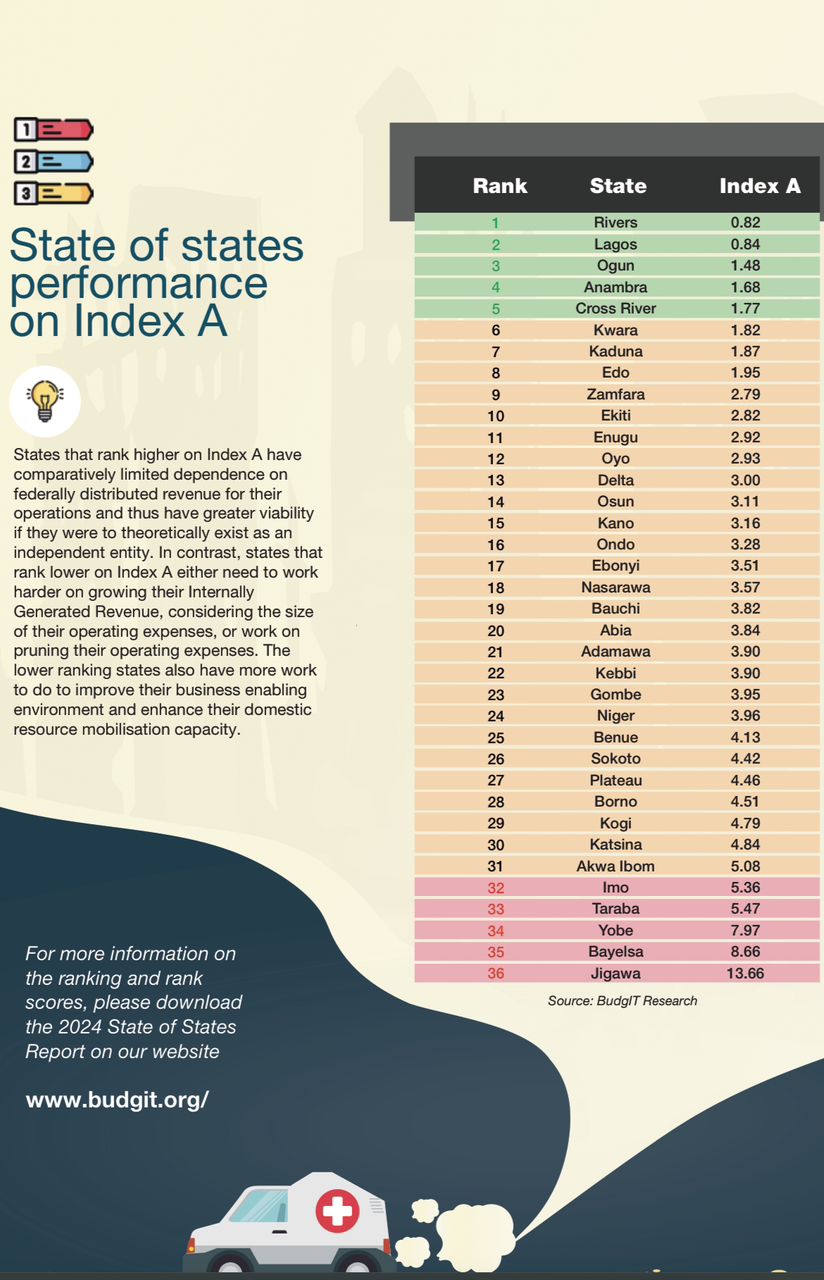
    As many Nigerian states struggle with fiscal sustainability and contend with healthcare delivery challenges, Anambra State’s recent performance in BudgIT’s State of States 2024 Report again reinforces what innovative leadership and prudent financial management can achieve.

    Today, under Governor Chukwuma Charles Soludo’s stewardship, Anambra has maintained a thriving model of fiscal responsibility, securing an impressive third position among Nigeria’s 36 states in overall fiscal performance and sustainability.

    This remarkable achievement is obviously beyond flaunting a statistical triumph; it represents a fundamental shift in how state governments can approach financial independence and social service delivery.

    Anambra State’s fourth-place ranking on Index A is particularly noteworthy, as it proves the state’s reduced dependence on federal allocations – a critical indicator of true fiscal autonomy.

    What makes Anambra’s success story particularly compelling under Governor Chukwuma Charles Soludo is its holistic approach to state management. The administration has successfully balanced the challenges of revenue generation, resource allocation, and healthcare optimisation, proving that fiscal discipline need not come at the expense of social services. This year’s BudgIT report theme, “Moving Primary Health Care Delivery from Sub-Optimality to Optimality,” reflects the importance of this achievement, as Anambra has shown exceptional performance in both fiscal and healthcare metrics.

    On a closer look, the state’s strategy is seen to be working on the credo of “Doing more with less”, built on three key pillars: innovative reforms, effective internal revenue generation, and optimal resource allocation. By focusing on growing its Internally Generated Revenue (IGR) while maintaining disciplined operating expenses, Governor Soludo has created a sustainable model that works best for the state.

    In other words, Governor Soludo’s administration has demonstrated that with the right policies and implementation strategies, Nigerian states can break free from the cycle of federal dependency. The Soludo government’s approach to creating an enabling business environment has not only attracted investments but has also strengthened the state’s domestic resource mobilisation capacity.

    However, this success comes with a responsibility. As one of the top-performing states in Nigeria, Anambra now has the opportunity, and indeed, the obligation, to continue living up to its slogan as “the Light of the Nation”. The lessons from its fiscal management strategies and healthcare sector reforms could provide a roadmap for states still grappling with financial sustainability challenges.

    Yet, the journey to transforming Anambra State into a livable and prosperous modern mega-city continues with greater impetus. The challenge for Anambra will be to maintain and build upon its many achievements under Governor Soludo. While the current rankings are impressive, the dynamic nature of economic conditions means the state must continue to innovate and adapt. The focus should remain on further strengthening internal revenue generation mechanisms while maintaining the efficiency of public spending. No doubt, Governor Soludo will surely ensure all these come to past

    However, as states continue to struggle with economic challenges at various levels, Anambra’s example under Governor Soludo shows that states can chart their own path to fiscal independence and sustainable development with the right leadership. This is not just a show of strength for Anambra; it is a blueprint for Nigerian federalism at its best.

  • NEC Calls For Withdrawal Of Tax Reform Bill.

    NEC Calls For Withdrawal Of Tax Reform Bill.

    ……..As VP Shettima demands decentralization of electricity to end national grid collapse.

    Felicia Asuquo 

    The National Economic Council (NEC) has recommended the withdrawal of the current Tax Reform Bill from the National Assembly in order to pave the way for more comprehensive consultation and consensus-building among key stakeholders.
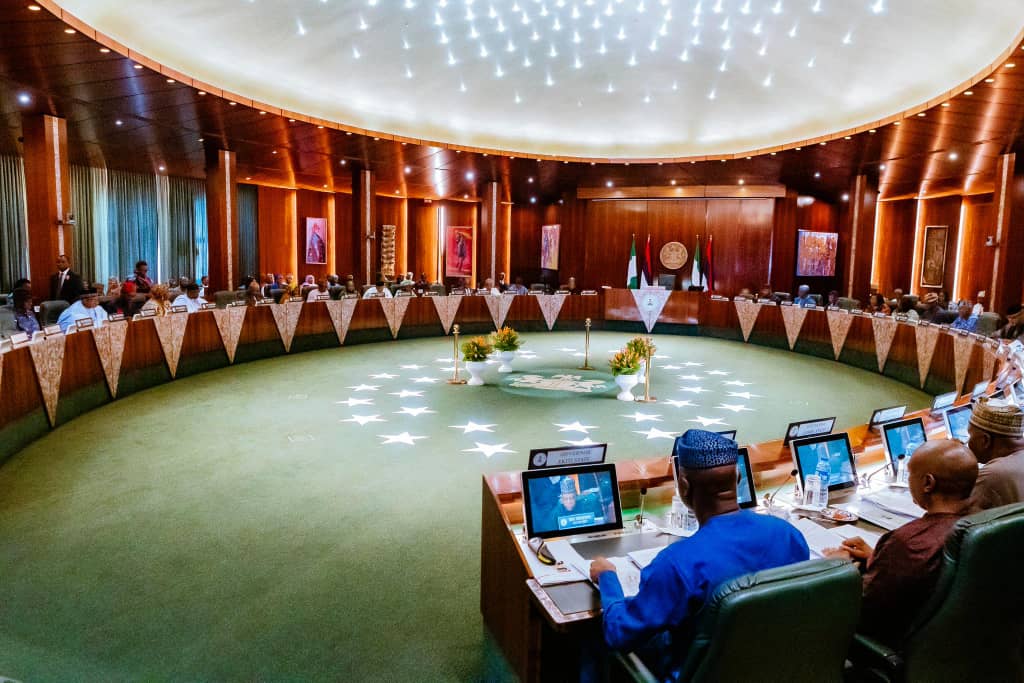
    Making the recommendation in response to a presentation by the Chairman of the Presidential Fiscal Policy and Tax Reforms Committee, Mr. Taiwo Oyedele, the Council called for more extensive consultation with stakeholders to align on the far-reaching impacts of the proposed tax reforms.
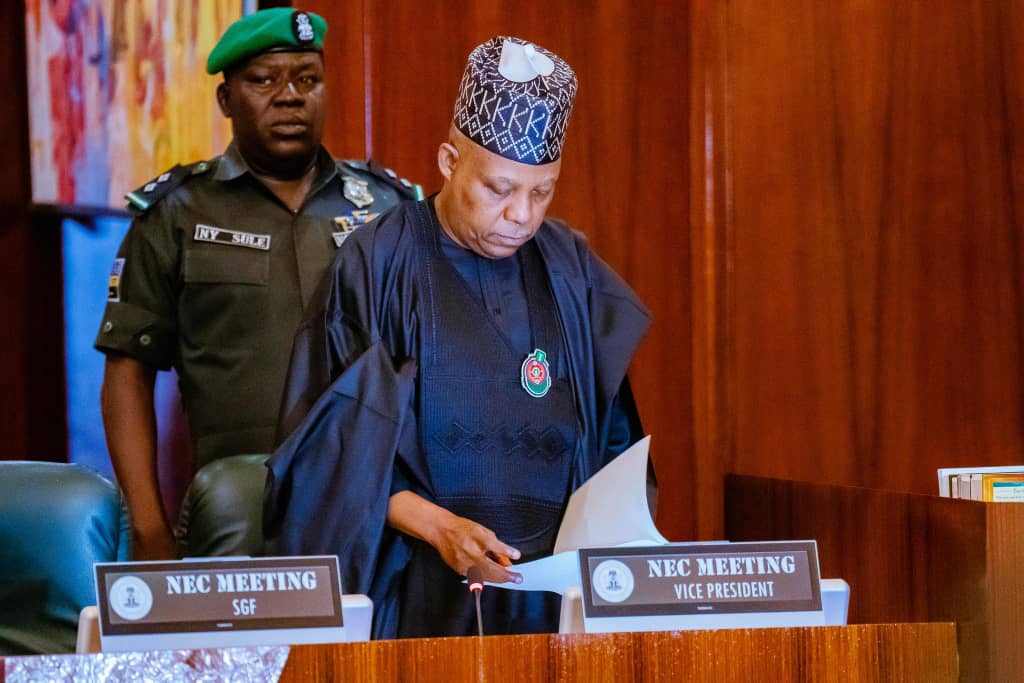
    This is coming just as Vice President Kashim Shettima announced that NEC will adopt measures to speed up the decentralization of the national grid, with a view to putting an end to incessant collapse that has plunged some states in the North into total darkness.

    He listed some of the measures for the decentralization of the national grid to include the establishment of mini-grids, solar and renewable energy sources like solar photovoltaic and wind utter turbines.
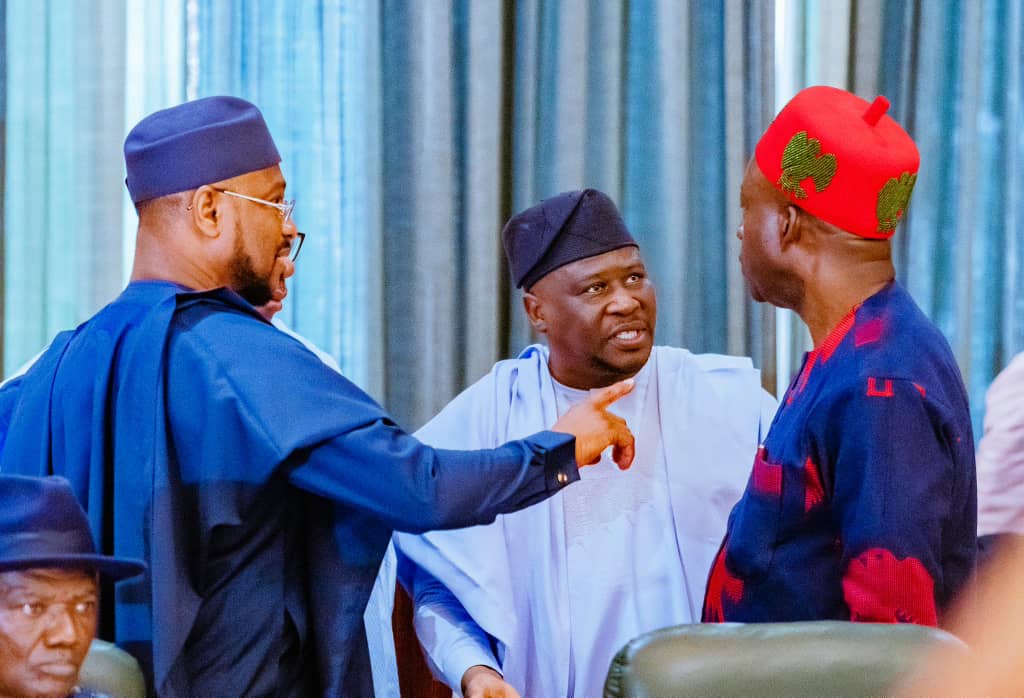
    Speaking at the 145th NEC meeting on Thursday at the Presidential Villa, Abuja, Senator Shettima who is the Chairman of NEC said the burden of accountability has compelled the government to never look away from these issues.

    He stressed the urgent need for the implementation of the Nigeria Energy Sector Implementation Plan (NESIP), emphasizing that the energy sector must embrace the potential of renewable energy, as well as leverage solar and mini-grid solutions designed to meet regional electricity demands.

    The VP said, “A robust economy is the backbone of every nation. The recent blackouts caused by the actions of vandals remind us of our urgent need to expand our energy infrastructure. I believe the governors here would agree that the decentralisation of electricity is our path forward.

    “We will continue to promote the constitutional framework that empowers constituent states within the Nigerian federation to generate, transmit, and distribute electricity in areas covered by the national grid. Together, we can make instability a relic of the past.

    “Furthermore, our energy sector must embrace the potential of renewable energy. We must leverage solar and mini-grid solutions tailored to regional needs. I urge the Council to support the implementation of the Nigeria Energy Sector Implementation Plan (NESIP).
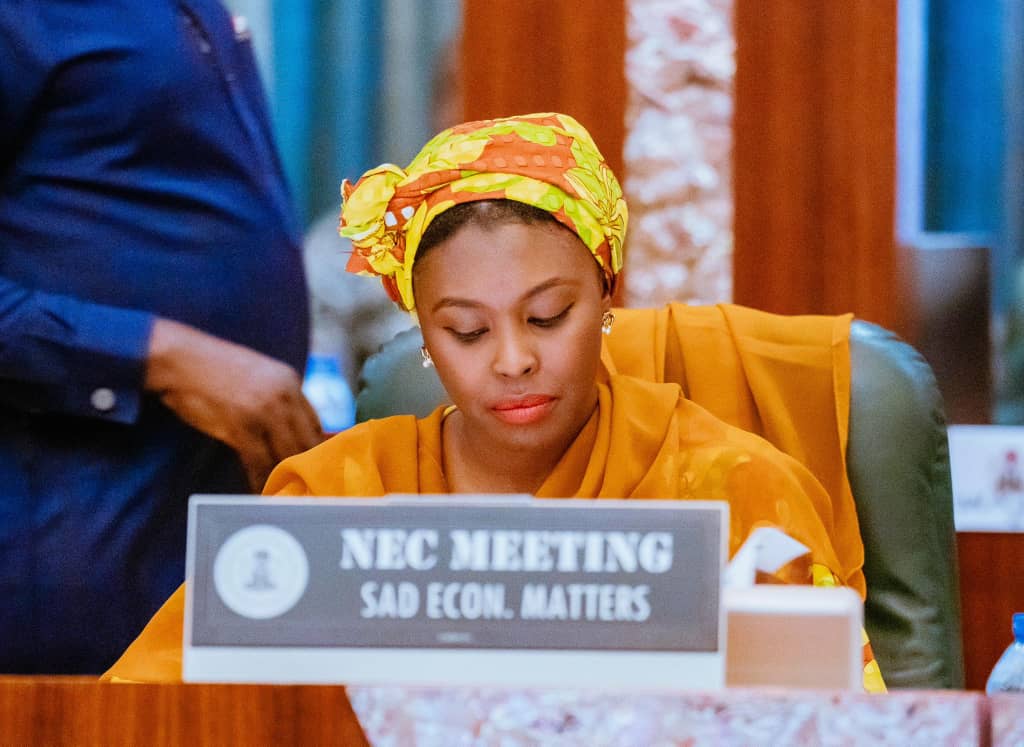
    “If we capitalise on our diverse regional energy resources—from northern Nigeria’s solar potential to the south’s gas reserves—we can build a resilient, decentralised energy system that drives growth and empowers our communities.”

    The Vice President also said the tax reforms initiated by President Bola Ahmed Tinubu’s Renewed Hope Administration will broaden the nation’s revenue base, foster economic stability, and diminish dependency on specific sectors.

    “I must admit that the tax reforms initiated at the onset of this administration by His Excellency, President Bola Ahmed Tinubu, have opened avenues to address stakeholders’ concerns, particularly regarding VAT reform and its implications for sub-national revenues.

    “As representatives of diverse interests, I have no doubt that you share a common aspiration: to broaden our revenue base, foster economic stability, and diminish our dependency on specific sectors,” he noted.
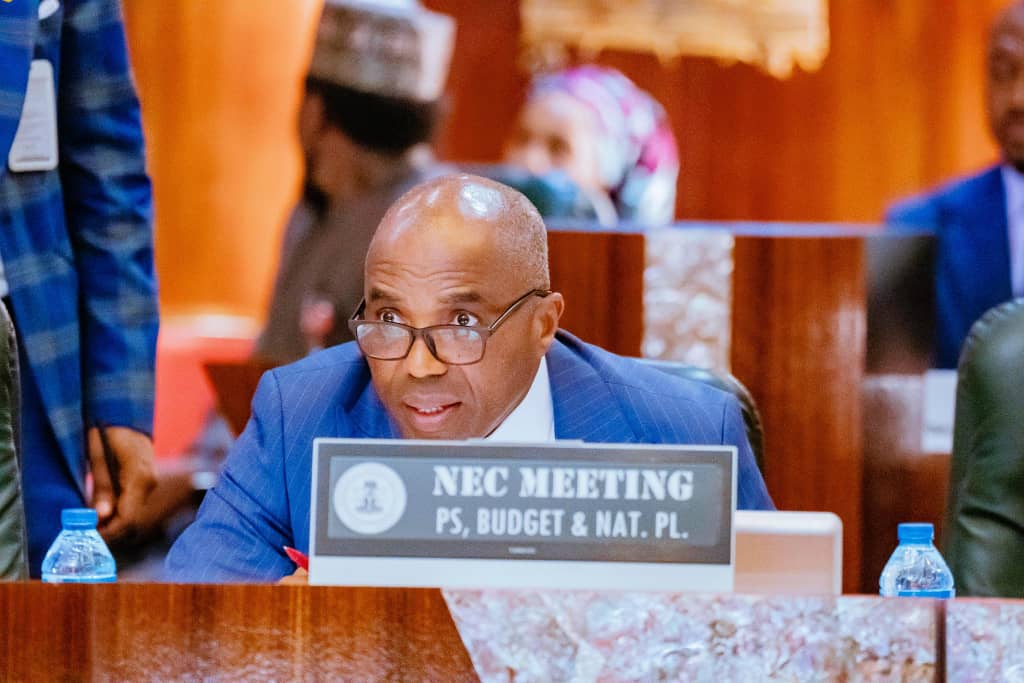
    On Human Capital Index, VP Shettima cautioned that it is a tragedy that must be confronted following Nigeria’s low ranking.

    “We grapple with alarming statistics related to life expectancy, maternal and child mortality, and educational attainment. We gather here today to redeem this dark reality through a series of deliberations and recommendations across various sectors, to be presented by participating specialists in government and by development partners,” he stated.

    The VP further shed light on the progress made so far in the bid to mitigate flood disasters, noting that “the past few months have tested the durability of the solutions” implemented to advance flood resilience.

    He continued: “Although the floods caught many of us off guard in various parts of the nation, our proactive mitigation efforts have inspired sustainable strategies to address the extensive damage caused, including significant property losses and health risks.

    “I commend the Honourable Minister of Water Resources and the Director-General of National Emergency Management Agency (NEMA) for their foresight and swift action. Today invites us to reinforce our commitment to implementing approved mitigation measures, ensuring that states report their flood damages comprehensively, as outlined in our NEC Ad-hoc Committee report.”

    In tandem with the tax reform discussions, the Minister of Finance and Coordinating Minister of the Economy, Mr. Wale Edun, briefed the Council on several key national accounts.

    According to his report, the Excess Crude Account stands at $473,754.57, the Natural Resources Fund at ₦26,105,837,627.67, and the Stabilization Account at ₦36,299,452,763.62.

    The Minister also updated NEC on current economic relief measures, with 25 million Nigerians benefitting from federal social protection initiatives, including digital outreach, microenterprise loans, and sector-specific support for power, agriculture, manufacturing, health, and compressed natural gas (CNG) initiatives.

    Mr Edun also announced a new government policy that would permit Nigerians who currently hold dollars outside the formal banking system to bring those funds into the financial system within a nine-month period, without facing any legal liability or financial penalties.

    Read also:Proposed Tax Reform Bill,Not Against The North–Presidency.

    The Council addressed Nigeria’s flood crisis affecting 34 states, 217 local government areas, and over 1.3 million people. The Minister of Water Resources and Sanitation, Prof. Joseph Utsev reported 740,743 displaced individuals, 321 fatalities, and extensive property and farmland losses.

    Council resolved that the Ministry of Water Resources conduct an integrity review of all waterways and dams across the country, urged state governments that have not done so to immediately submit their flood reports, that the Green Climate Fund should have an infrastructure resilience fund component, and that all MDAs should immediately implement flood resilience and adaptation mechanisms.
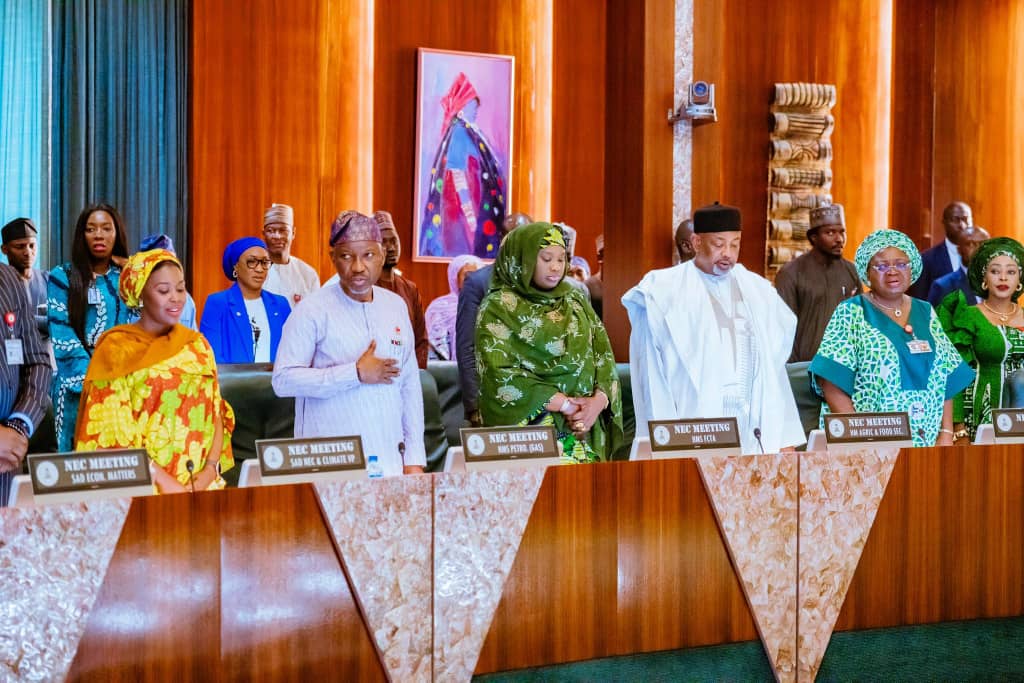
    Council also reviewed the World Bank-supported SOLID project, presented by the Minister of Budget and Economic Planning, Sen. Abubakar Atiku Bagudu.

    The project aims to bolster services and economic opportunities for IDPs and host communities in northern Nigeria, including initiatives for sustainable livelihoods and resilient infrastructure.

    NEC urged cooperation among states and the World Bank to ensure funds meet designated project goals.


  • Proposed Tax Reform Bill,Not Against The North–Presidency.

    Proposed Tax Reform Bill,Not Against The North–Presidency.

    Felicia Asuquo, Abuja

    The tax reform bill before the National Assembly is not targeted at the 19 northern states, the presidency has said.

    It will be recalled that the governors of the 19 Northern states had rejected the bill, especially the proposed amendment to the distribution of Value Added Tax (VAT) to a derivation-based model.

    But in a statement on Thursday, 31 October ,2024,presidential spokesman, Bayo Onanuga, said the new proposal, as enunciated in the bill, is designed to create a fairer system that will benefit all states.

    Bayo Onanuga, the Special Adviser on Information and Strategy to President Bola Tinubu, stated that the ongoing tax reform seeks to correct the inequity in the current derivation model as a basis for distributing VAT revenue.

    “While we commend the Governors and traditional rulers for supporting President Bola Tinubu over the success recorded in addressing the country’s security challenges, we consider it necessary to address the misunderstandings and misgivings around the tax reform already embarked upon by the administration,” the statement read.

    According to Onanuga, the new policy initiatives are aimed at streamlining Nigeria’s tax administration processes, enhancing efficiency and eliminating redundancies across the nation’s tax operations.

    Investigator news reports that the reforms being proposed are critical to improving the lives of Nigerians and were not put forward by President Tinubu to undermine any part of the country.

    “President Tinubu and the Federal Executive Council recently endorsed new policy initiatives aimed at streamlining Nigeria’s tax administration processes, enhancing efficiency and eliminating redundancies across the nation’s tax operations.

    “These reforms emerged after an extensive review of existing tax laws. The National Assembly is considering four executive bills designed to transform and modernise Nigeria’s tax landscape.

    “First is the Nigeria Tax Bill, which aims to eliminate unintended multiple taxation and make Nigeria’s economy more competitive by simplifying tax obligations for businesses and individuals nationwide.

    “Second, the Nigeria Tax Administration Bill (NTAB) proposes new rules governing the administration of all taxes in the country. Its objective is to harmonise tax administrative processes across federal, state and local jurisdictions for ease of compliance for taxpayers in all parts of the country.

    “Third, the Nigeria Revenue Service (Establishment) Bill seeks to rename the Federal Inland Revenue Service (FIRS) as the Nigeria Revenue Service (NRS) to better reflect the mandate of the Service as the revenue agency for the entire federation, not just the Federal Government.

    “Fourth, the Joint Revenue Board Establishment Bill proposes the creation of a Joint Revenue Board to replace the Joint Tax Board, covering federal and all states’ tax authorities,” he stated.