Category: Featured

Featured posts

  • 2027 Presidency: Sentiment Is Not A Strategy – Goodluck Is Not Enough

    2027 Presidency: Sentiment Is Not A Strategy – Goodluck Is Not Enough

    Mogaji (Hon) Seye Oladejo.

    The Lagos State Chapter of the All Progressives Congress (APC) has observed with keen interest the growing speculation surrounding the possible return of former President Goodluck Jonathan to the 2027 presidential race.

    While we acknowledge the former president’s role in the peaceful democratic transition of 2015 — an act that rightly earned him praise at home and abroad — we must state, in clear terms, that Nigeria has since moved beyond the politics of sentiment, nostalgia, and symbolism.

    The challenges of today and the future require bold, capable, and forward-thinking leadership — not a return to the comfort of a past that was far from perfect.

    Let it be clear: good luck alone is not a governance strategy.

    The Jonathan administration, from 2010 to 2015, left behind a country grappling with severe structural weaknesses — from unchecked corruption to alarming insecurity and economic inertia.

    Nigerians still remember the massive fuel subsidy scandal, the billions unaccounted for in the oil sector, and the tragic inertia during the early days of Boko Haram’s insurgency, culminating in the infamous Chibok girls’ abduction.

    While some may look back on those years with rose-tinted glasses, we must remind ourselves that nostalgia is not a policy platform.

    Emotion cannot drive economic reform, and sentimentality will not fix power generation, insecurity, youth unemployment, or education sector decay.

    We also note the constitutional and political complications of a potential Jonathan candidacy.

    Having completed more than one term in office, any return bid will inevitably trigger legal contention and political instability — distractions Nigeria can ill afford in a time when decisive action is needed across all sectors of national life.

    Moreover, the former president’s political relevance has been complicated by his recent engagements across party lines.

    His flirtation with the APC and absence from PDP’s strategic rebuilding efforts raise questions about his loyalty, clarity of vision, and political intentions.

    For the avoidance of doubt, the APC remains focused on consolidating progress, implementing reforms, and engaging the Nigerian electorate with fresh ideas and credible candidates who reflect the aspirations of a dynamic, youthful population.

    We believe the future of Nigeria does not lie in recycled leadership but in visionary governance rooted in integrity, innovation, and resilience.

    Former President Jonathan remains a respected elder statesman. His legacy as a peaceful democrat is assured. But legacies are not manifestoes, and nostalgia is not governance.

    We urge Nigerians to reject emotional shortcuts and stay focused on the need for capable, accountable, and transformative leadership.

    As 2027 approaches, let us not reach backwards in desperation, but move forward with courage and clarity.

    Mogaji (Hon) Seye Oladejo.
    Lagos APC Spokesman.

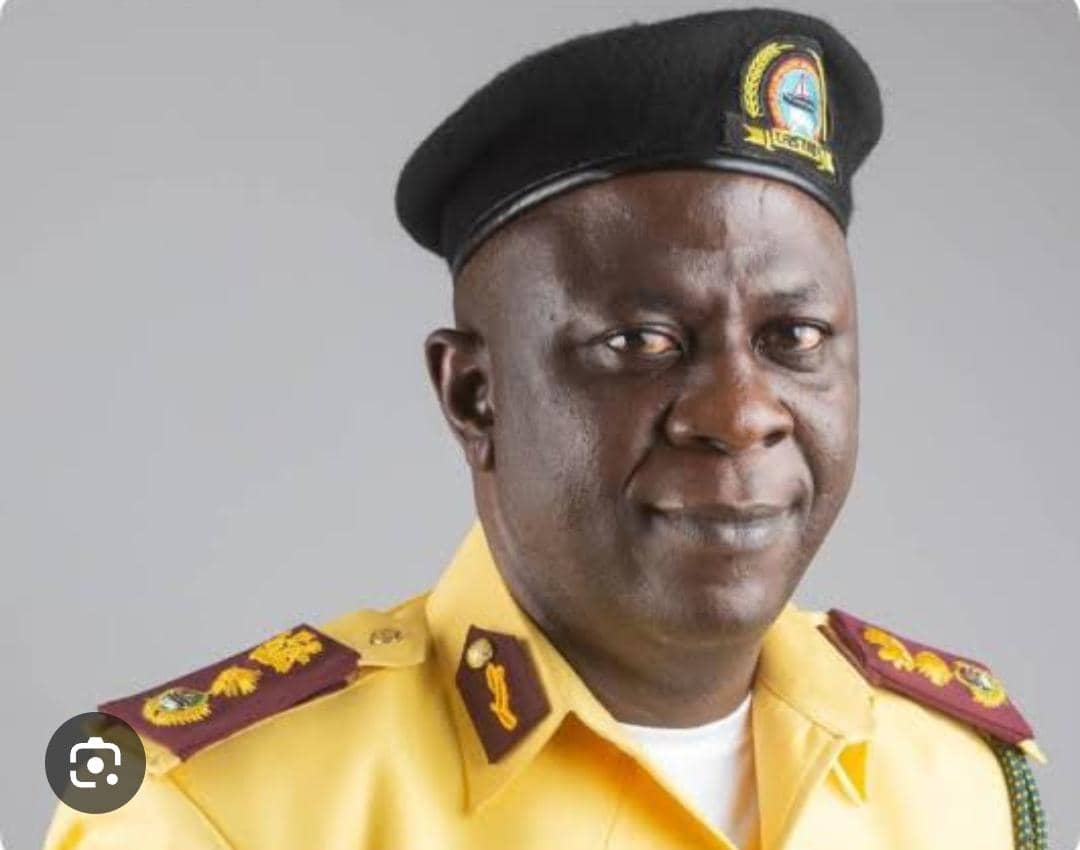
  • Germinating A Culture Of Safety: The Ascendancy Of The Lagos State School Traffic Safety Advocacy Programme Under The Illustrious Leadership Of Mr Olalekan Bakare Oki

    Germinating A Culture Of Safety: The Ascendancy Of The Lagos State School Traffic Safety Advocacy Programme Under The Illustrious Leadership Of Mr Olalekan Bakare Oki

    By Adebayo Taofiq Aribidesi (P.A.O LASTMA)

    In the unrelenting symphony of Lagos—the colossal megacity whose ceaseless rhythm reverberates across its gridlocked highways, teeming marketplaces, and frenetic boulevards—mobility stands at once as a lifeline and an omnipresent peril.

    With a population surpassing twenty-two million and vehicular density exceeding one million, the city is a daily theatre where the fragile threshold between human life and mechanical force is relentlessly tested.

    Within such precarious circumstances, the guardianship of life requires more than the rigidity of enforcement; it calls for foresight, pedagogy, and the moral architecture of civic education.
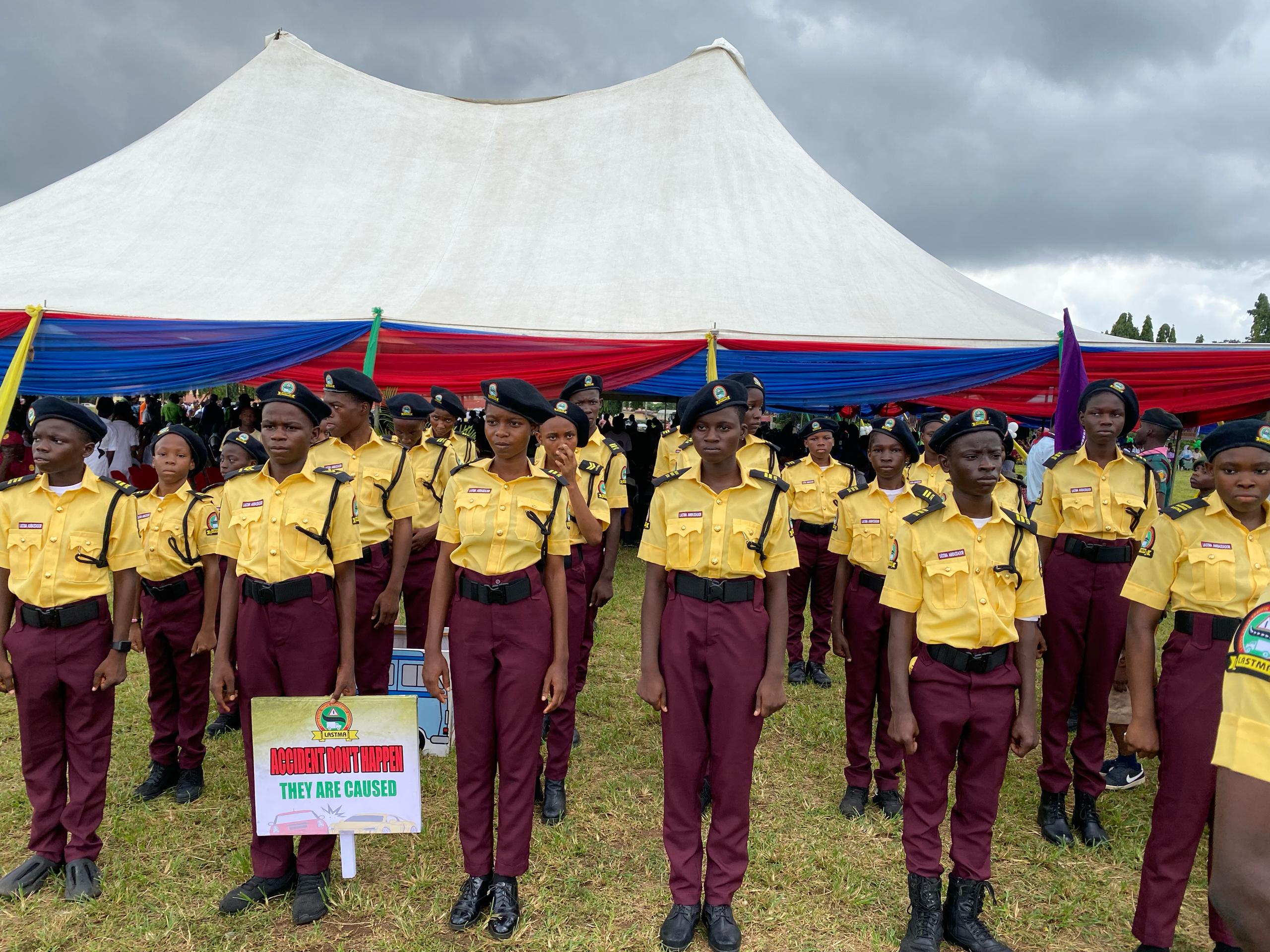
    It is in this crucible that the Lagos State Traffic Management Authority (LASTMA) has revitalised one of its most visionary interventions: the School Traffic Safety Advocacy Programme (STS-AP)—a flagship initiative designed to inculcate traffic discipline, civic consciousness, and life-preserving ethos within the youngest generation of Lagosians.
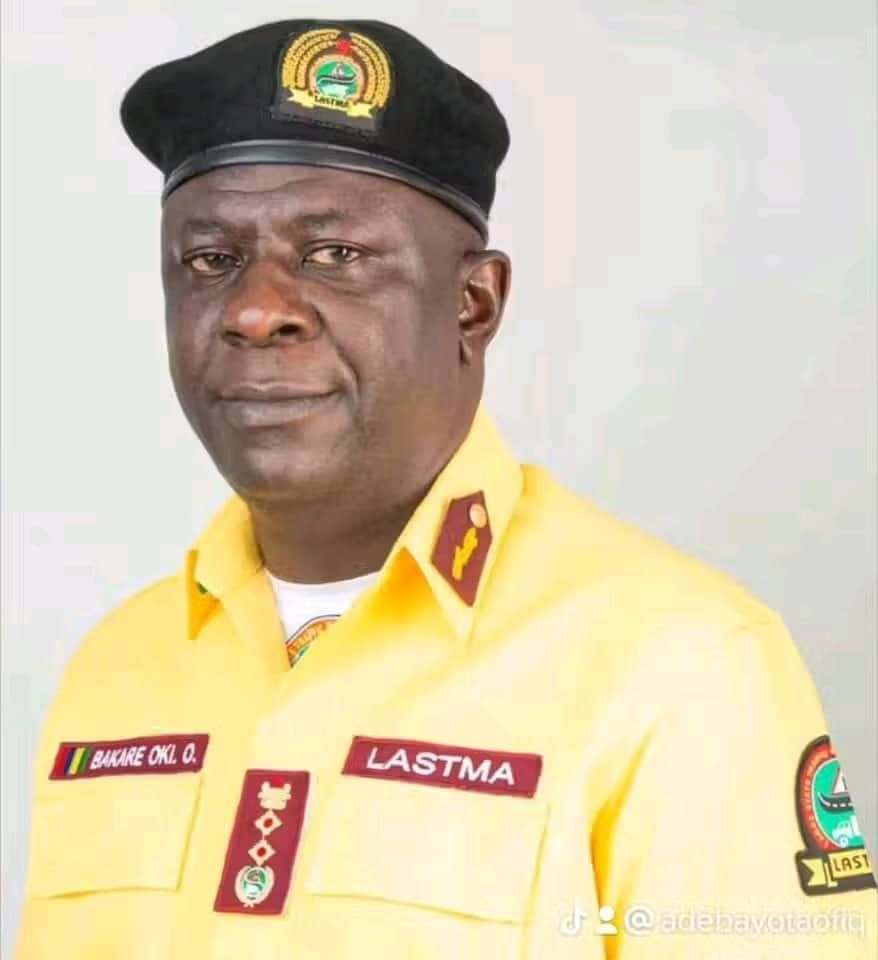
    Under the sagacious stewardship of Mr. Olalekan Bakare-Oki, General Manager of LASTMA, the programme has been elevated from a marginal sensitization exercise into a transformative educational crusade—one shaping the emergent custodians of the city’s road safety culture.

    Children as Sentinels of the Future

    The genius of the School Traffic Safety Advocacy Programme lies in its profound recognition that the destiny of Lagos’ traffic culture is not etched upon its asphalt but inscribed in the consciousness of its children.

    Mr. Bakare-Oki’s administration has therefore advanced a bold paradigm—embedding traffic enlightenment into the quotidian lives of school pupils.

    Through orchestrated school engagements, interactive workshops, dramatized role-plays, and experiential road-safety simulations, children are not only introduced to traffic codes but to the inviolable sanctity of human life upon the roadways.
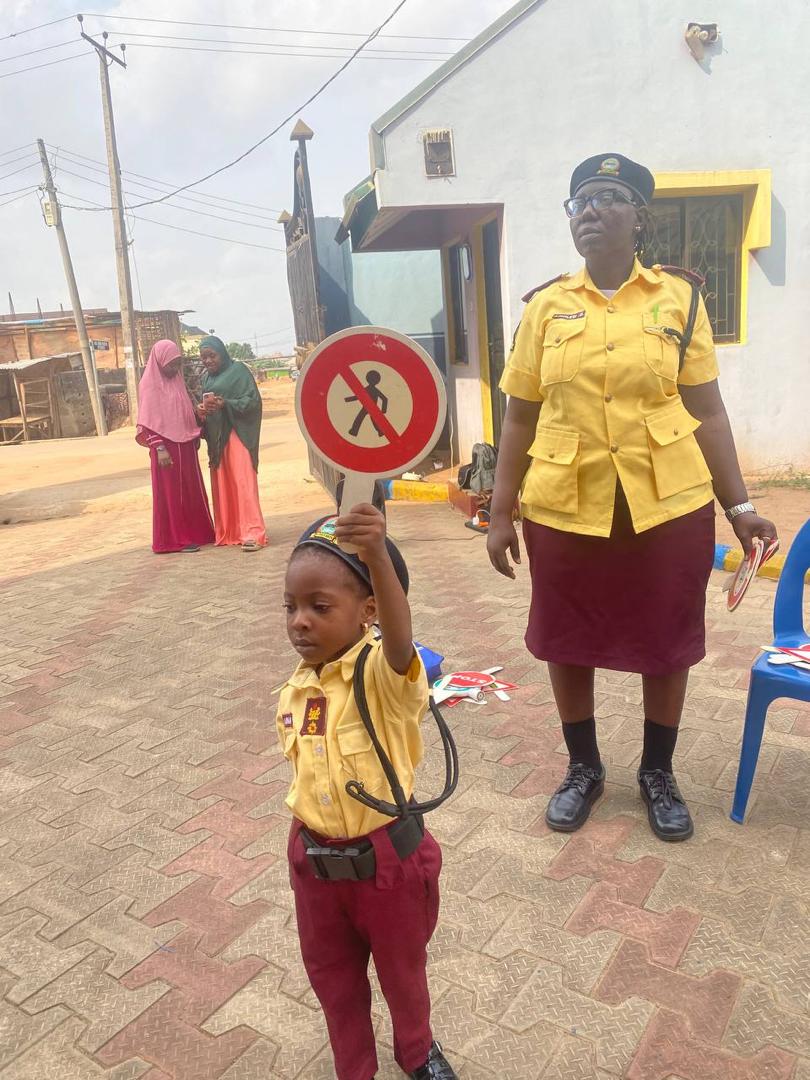
    Pedestrian discipline, interpretation of signage, the sacred duty of using pedestrian bridges, the universality of seatbelt culture, and safety in cycling and motorcycling are conveyed not as sterile regulations but as habits to be embodied.

    In classrooms and assembly halls across the metropolis, LASTMA officials now appear not as stern enforcers but as empathetic tutors—transfiguring road safety from a punitive structure into a formative pedagogy.

    The child who halts at a zebra crossing, the student who insists on ascending the pedestrian bridge, becomes the seed of generational transformation.

    Embedding Safety Within the Educational Ecosystem

    Under the forward-thinking stewardship of Bakare-Oki, the programme has expanded beyond episodic interventions into an institutionalised partnership with the Lagos State Ministry of Education. Safety advocacy is no longer a perfunctory afterthought but is increasingly interwoven into school timetables, extracurricular pursuits, and civic clubs.
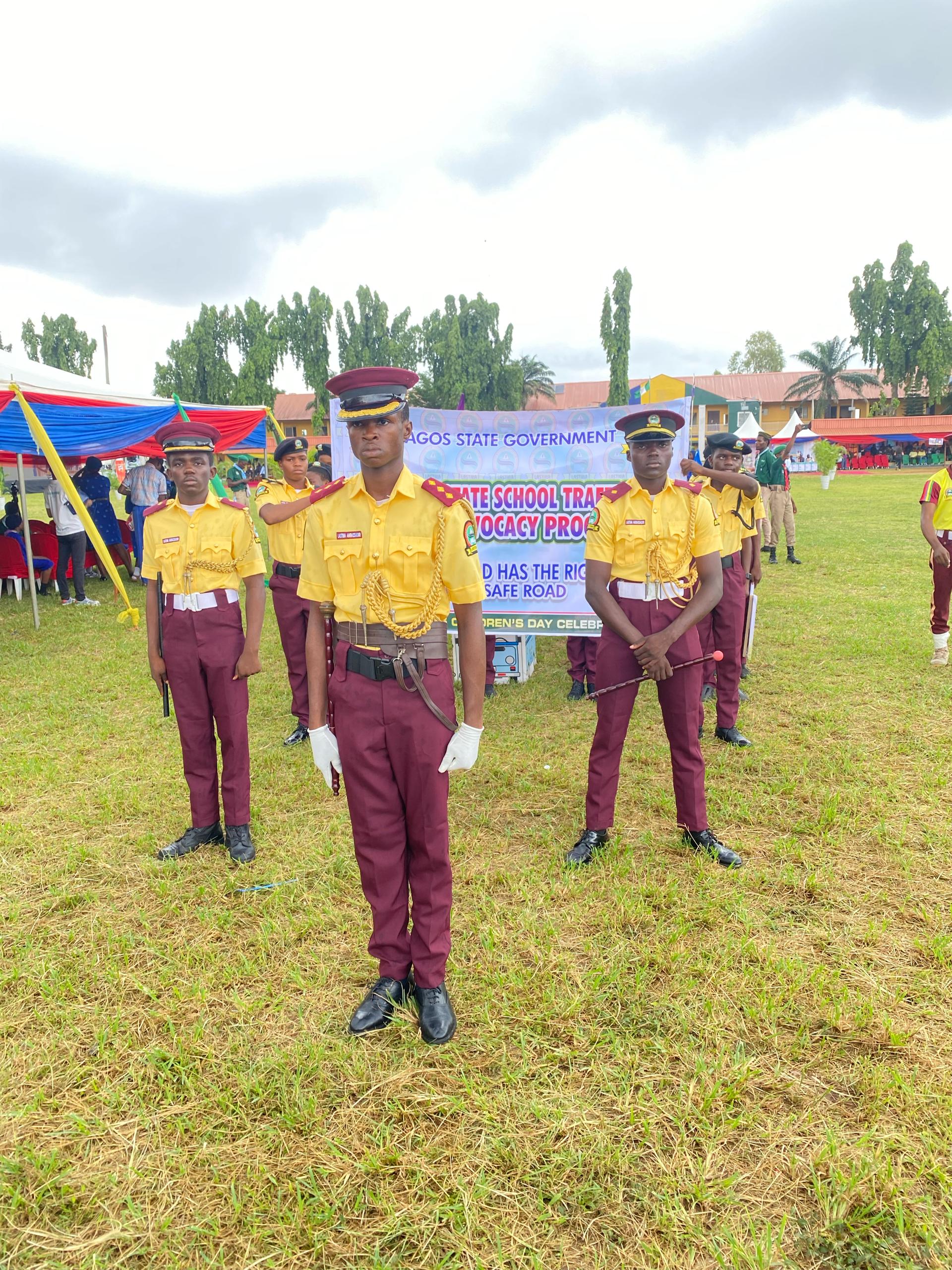
    Many schools have birthed Traffic Safety Clubs—peer-led fraternities where pupils, guided by LASTMA mentors, emerge as ambassadors of safety within their institutions and homes.

    These young vanguards carry their convictions beyond the gates of their schools, admonishing parents about seatbelt compliance, exhorting motorcyclists to don helmets, and dissuading siblings from reckless jaywalking.

    Thus, advocacy transcends the classroom, infiltrating households and communities with the wisdom of tender but insistent voices.

    Innovation in Advocacy and Communication

    This administration has not constrained itself to traditional didactics. Conscious of the fact that contemporary children are digital natives, the programme has incorporated visual technologies, animated traffic-safety clips, and gamified simulations to enthrall young minds.

    Pamphlets are disseminated, yet more significantly, interactive media is deployed to engraine learning.

    Radio jingles and child-friendly road-safety dramatizations are broadcast in indigenous tongues, ensuring inclusivity across diverse socio-economic landscapes.
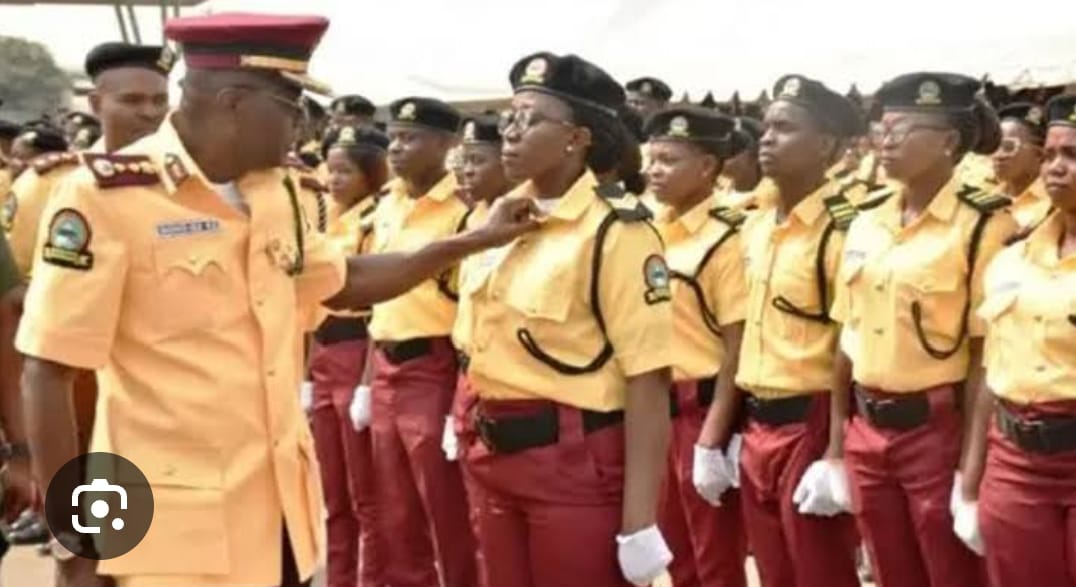
    Social media, too, has become a vehicle for youthful engagement through quizzes, competitions, and campaigns.

    The result is a hybridised model of advocacy—both analogue and digital—that resonates across generational divides.

    From Classrooms to Crossroads: The Tangible Impact

    Empirical evidence substantiates the programme’s efficacy. Data curated by LASTMA’s Research and Statistics Department reveal a discernible decline in pedestrian fatalities among school-aged children, particularly in corridors where advocacy has been most vigorous.

    Schools once infamous for tragic roadside incidents now record fewer casualties, as disciplined crossing patterns and greater use of pedestrian bridges become habitual among pupils.

    The anecdotes are as moving as the numbers. Parents narrate children’s stern admonitions to “strap in” before starting a car.
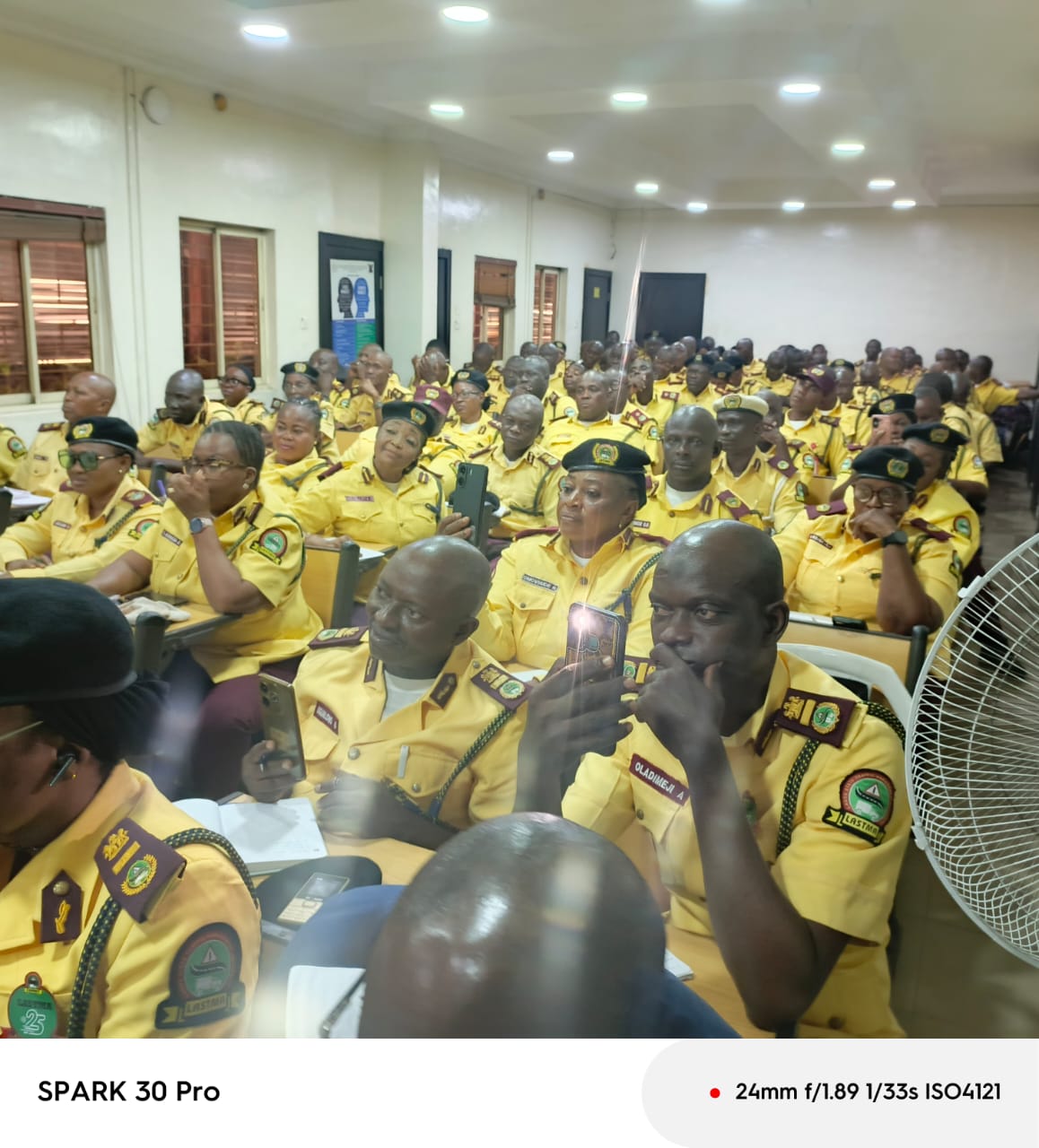
    Commercial bus drivers recount pupils who resolutely refuse to disembark at unsafe points. Such testimonies reveal an unassailable truth: that authentic advocacy multiplies its effects far beyond statistical measure.

    Recasting the Public Image of LASTMA

    Long perceived as an agency defined solely by punitive enforcement, LASTMA under Bakare-Oki has undertaken a deliberate recalibration of its identity.

    The School Traffic Safety Advocacy Programme epitomises this renaissance, humanising the agency by portraying its officers as nurturers of safety, guardians of discipline, and stewards of innocence.

    By investing in the consciousness of children, LASTMA accrues not only compliance but trust. Citizens increasingly behold the agency not as a punitive hammer but as a social partner in the preservation of life.

    This shift in perception is itself a profound achievement, for without public cooperation, sustainable traffic management is an impossibility.

    A Template for Foresighted Urban Governance

    The elevation of the School Traffic Safety Advocacy Programme transcends administrative reform; it represents a moral investment in the metropolis’ posterity.

    It affirms that a city cannot be permanently coerced into order—it must be educated into discipline. By cultivating traffic consciousness at formative stages, LASTMA is sowing seeds of a civic culture destined to outlive present administrations.

    Global observers take note. Road-safety experts affirm that the most enduring cultures of discipline in advanced nations were not forged through draconian penalties alone, but through sustained child-focused advocacy.
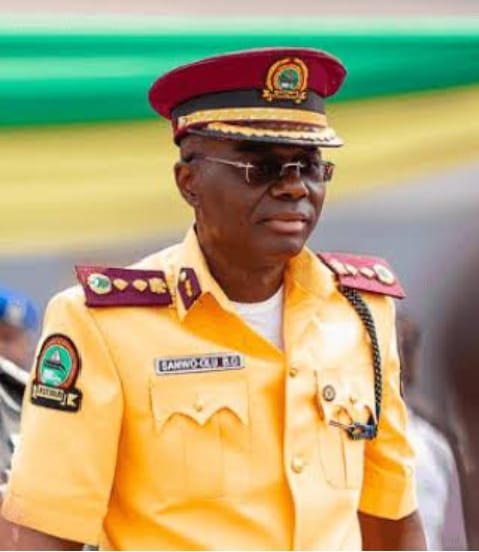
    By situating Lagos upon this trajectory, Bakare-Oki’s administration has inscribed the megacity into the pantheon of forward-looking metropolises.

    Conclusion: A Covenant with the Future

    The Lagos School Traffic Safety Advocacy Programme under the stewardship of Mr. Olalekan Bakare-Oki is no mere bureaucratic reform—it is a quiet revolution.

    It transmutes classrooms into nurseries of civic virtue, children into apostles of discipline, and families into allies of enforcement.

    In a city where disorder often masquerades as destiny, the deliberate shaping of youthful consciousness towards road safety is both a governmental act and a moral covenant.

    The triumph of this programme reaffirms that road safety is not the burden of officers alone, but a shared responsibility germinated in childhood.

    As Lagos advances towards its aspiration of global-city stature, Bakare-Oki’s legacy may ultimately be measured not only in decongested highways but in preserved lives, reformed habits, and generations awakened to the sanctity of order amidst motions.

  • Dateline 2027: Whither Peter Obi – Stranded Or Orphaned?

    Dateline 2027: Whither Peter Obi – Stranded Or Orphaned?

    Mogaji (Hon) Seye Oladejo.

    As we approach the midway point of this political cycle, the Lagos State chapter of the All Progressives Congress (APC) finds it imperative to reflect on the fading political relevance of Mr. Peter Obi, the once-celebrated figurehead of a hastily constructed populist crusade.

    In 2023, Mr. Obi emerged as a digital-era phenomenon, buoyed by youthful frustration and social media fervour. He campaigned on the promise of a new political order—one that would challenge the status quo and deliver a “New Nigeria.” Today, however, we must ask: Whither Peter Obi? Is he now politically stranded or ideologically orphaned?

    The Labour Party, which he seduced as a temporary platform for his presidential bid, now lies in tatters—fractured by internal wrangling and devoid of a coherent vision. His most recent flirtation with the still-born coalition dubbed the ADC only adds to the perception of a man wandering the political wilderness, unsure of direction, untethered to principle, and driven more by ambition than ideology.

    Indeed, Mr. Obi may now be reaping the bitter fruits of political prostitution. Having, at different times, been in bed with the PDP, seduced the Labour Party, and now romanced the hollow structure of the ADC, he has left behind a trail of alliances formed not on principle but on convenience. For a man once hailed as a moral compass in Nigerian politics, the biblical judgment day seems to have arrived rather early for “Saint” Peter Obi.

    Leadership is not a seasonal venture. It demands consistency, structure, and loyalty—none of which Mr. Obi has demonstrated since his dramatic entry onto the national stage. The so-called “Obidient” movement, which once made noise across digital platforms, has fizzled out—devoid of organization, substance, or lasting impact.

    In contrast, the APC—under the able leadership of President Bola Ahmed Tinubu—continues to deliver pragmatic governance rooted in policy, economic revitalization, and national unity. While others grandstand and vanish when the cameras go off, our party remains committed to the real work of nation-building.

    As we look to 2027, the question is no longer whether Peter Obi will contest. The real question is: does he have a home to contest from? Or has he finally become what many feared—a political drifter, orphaned by the very movement he failed to consolidate?

    Mogaji (Hon) Seye Oladejo.
    Lagos APC Spokesman.
    28/08/25.

  • Lagos APC To Obasanjo: You’re In No Position To Call Anyone Incompetent

    Lagos APC To Obasanjo: You’re In No Position To Call Anyone Incompetent

    Mogaji (Hon) Seye Oladejo.

    The Lagos State chapter of the All Progressives Congress (APC) finds the recent comment by former President Olusegun Obasanjo—alleging that President Bola Ahmed Tinubu is “competing with Buhari in incompetence”—not only laughable, but disgracefully hypocritical.

    It is ironic that a man whose own time in office is remembered more for political arrogance, squandered opportunities, and failed democratic subversion would have the audacity to label anyone incompetent.

    Let us remind Nigerians that under Obasanjo:
    • Billions in power sector spending disappeared with zero results.
    • The economy was handed off with more foreign debt than when he took office—after claiming to have paid it off.
    • The infamous third-term agenda nearly plunged the nation into constitutional crisis.
    • And corruption flourished under the disguise of reforms.

    If Nigeria is still recovering from years of structural rot, Obasanjo bears a huge chunk of the blame. The mess didn’t start with Buhari, and it certainly isn’t being deepened by Tinubu—it started long before, under the watch of men who now pretend to be saints.

    President Bola Tinubu has taken decisions no previous leader had the spine to take. Removing fuel subsidies, overhauling the foreign exchange regime, and confronting entrenched inefficiencies are not marks of incompetence—they are bold actions by a man ready to fix what others, including Obasanjo, either broke or ignored.


    Read also:Lagos APC Blasts Peter Obi’s “Killing Field” Allegation; Military Record Proves Remarkable Progress Under Tinubu


    Obasanjo’s bitterness is well-known. He cannot control this government, and he resents that Nigeria has moved on from his brand of egocentric, do-or-die politics. His habit of attacking sitting presidents when he no longer holds relevance has become predictable and pathetic.

    We strongly advise the former president to show some decorum, especially at his age. Elders are expected to advise, not agitate. If he has nothing constructive to say, silence would serve him—and the country—far better than these attention-seeking outbursts.

    President Tinubu is not in a race with Obasanjo or anyone else. He is focused on the future. Nigeria is on a path of reform, recovery, and renewal—and no amount of potshots from bitter yesterday’s men will derail that journey.

    Mogaji (Hon) Seye Oladejo.
    Lagos APC Spokesman

  • Lagos APC Blasts Peter Obi’s “Killing Field” Allegation; Military Record Proves Remarkable Progress Under Tinubu

    Lagos APC Blasts Peter Obi’s “Killing Field” Allegation; Military Record Proves Remarkable Progress Under Tinubu

    Mogaji (Hon) Seye Oladejo

    The Lagos State Chapter of the All Progressives Congress (APC) utterly rejects and condemns the reckless allegation by Mr. Peter Obi that “Nigeria is now a killing field with over 10,000 deaths under Tinubu’s watch.” These sensationalist claims are not only baseless—they are a disgraceful distortion of reality made in bad faith to score political points.

    Let the record show: Under President Bola Ahmed Tinubu’s Renewed Hope Agenda, Nigeria’s Armed Forces have delivered extraordinary successes, dismantling terror infrastructure and restoring stability to previously threatened communities.

    Hard Data, Not Hype:
    • Defence Ministry Midterm Report (Aug 2023–Apr 2025):
    • 9,415 terrorists neutralized
    • 3,159+ suspects arrested
    • 5,449 hostages rescued

    • Defence Headquarters’ Two-Year Summary:
    • 6,260 terrorists killed
    • 14,138 terrorists and criminals apprehended
    • 5,365 civilians rescued
    – N83 billion worth of stolen crude recovered

    • Military Operations Across Regions:
    • In the North-east (Operation Hadin Kai): 1,246 terrorists killed, 2,467 arrested, 1,920 civilians rescued
    • In the North-west (Operation Fasan Yamma): 1,374 bandits killed, 2,160 surrendered or arrested, 3,288 hostages rescued

    These are not statistics—they are lives saved, communities secured, and terrorists dismantled.

    Impressive Air Power and Hostage Rescue:
    • Just recently, the military airstrikes in Katsina freed 76 hostages, including children—some kidnapped during a mosque attack that claimed at least 50 lives. One child, tragically, died during the rescue, illustrating both the danger and the bravery involved. Additionally, airstrikes eliminated 35 militants in the same region.

    • In Borno State, precision airstrikes killed 35 militants, restoring critical ground communications and stabilizing the area.

    • A weeklong operation in Borno earlier this year neutralized 76 extremists, arrested 72 suspects, and rescued eight hostages.

    Technological and Structural Strengthening:
    • Under President Tinubu’s leadership, the Nigerian Air Force has been transformed with modern acquisitions:
    • 24 M‑346 attack jets, 10 AW‑109 Trekker helicopters, among others
    • Conducted nearly 9,928 sorties, 15,915 flying hours, supporting counterinsurgency and anti-sabotage operations

    • The Nigerian Army and Navy have also received cutting-edge hardware—from tactical vehicles to patrol vessels—strengthening ground and maritime security effectiveness.
     
    • Local defense manufacturing is booming: DICON has produced over 4.6 million rounds of ammunition, 53 MRAPs, 14,040 PPE units, and even drones, reducing dependency on foreign suppliers.

    Credible Recognition:
    • The Coalition for Human Rights and Freedom (CHRF) commended the armed forces’ performance, citing that over 13,500 terrorists and criminals were neutralized and nearly 10,000 hostages rescued under coordinated operations.

    These are tangible, verifiable successes—nothing like the exaggerated sensationalism offered by Mr. Obi.

    In Conclusion:
    It is profoundly disappointing that Mr. Obi would resort to fear-mongering rather than engage constructively. The Nigerian Armed Forces, under this administration, are not only standing tall—they are striking back aggressively, saving lives, and securing our nation.

    The Lagos APC stands firmly behind the leadership of President Bola Ahmed Tinubu and our military heroes on the frontline. We invite Mr. Obi and others to acknowledge the progress made or risk being left behind in baseless political dramatics.

    Mogaji (Hon) Seye Oladejo
    Lagos APC Spokesman

  • Why Is Nigeria Police Force Afraid Of Smart Glasses?

    Why Is Nigeria Police Force Afraid Of Smart Glasses?

    By Dave Agboola

    In an age where technology often serves as a double-edged sword, the Nigeria Police Force (NPF) finds itself in an increasingly uncomfortable position, especially when it comes to smart glasses or being filmed.

    Designed to augment reality and capture experiences seamlessly, these nifty devices are being leveraged by citizens to expose the very activities that have long plagued Nigeria’s roads—corruption, extortion, and misconduct—leaving the police scrambling to adapt to this new reality.

    Take, for instance, the viral cases where enterprising citizens, armed with nothing but smart glasses, have successfully documented illegal activities involving police officers on major highways. Instances abound where motorists have recorded conversations with officers demanding bribes, clearly revealing the corrupt practices that often go unchecked on our roads.

    One can imagine the weeping of NPF officials as videos of these encounters circulate on social media, exposing their less-than-illustrious dealings to the world, making them unwitting stars of a reality show none of us asked to watch.

    This fear of exposure reached a comical peak recently when a team of police officers was filmed struggling to remove smart glasses from a driver during a routine roadblock. The sheer desperation on their faces was almost laughable as they grappled with the glasses, clearly aghast at the thought of being recorded.

    What were they afraid of? The possibility of their overly aggressive tactics being caught on camera? The last thing they want is public proof of the “Nigerian police experience,” which can often involve aggressive demands for cash over compassion and service.

    On few occasions that I had things to sort out at police stations these days, I’ve come to realise that you have to drop your phone at the gate before being allowed to carry out your transactions. I guess, it is the fear of being recorded. Isn’t this too paranoid of them?

    And who can forget the confrontation between the police and activist journalist Omoyele Sowore? His fearless approach to issues of governance often meant that he faced the brunt of police intimidation. With smart glasses in tow, he effectively captured instances of police harassment, thereby turning the tables on those who wield their power like a baton of oppression. At some point, they even allegedly stole the glasses from him at their Abuja headquarters, in a protest meant to address issues that concern the police welfares! Intriguing?

    For NPF officers, facing the likes of Sowore while he records the situation in high definition is akin to an episode of a high-stakes game show where the stakes are not just pride but accountability.

    As the police grapple with the implications of being recorded right where they stand, they must come to terms with the reality that smart glasses and other recording devices are now part of the public’s arsenal against their questionable practices. Rather than adapting by improving their conduct, the ongoing struggles reaffirm the fear and helplessness the NPF feels in the wake of citizen-led transparency initiatives.

    In a nation desperate for change, perhaps the solution is not to fear the technology that puts them in the spotlight but to embrace it.

    If the Nigeria Police Force wishes to earn public trust and respect, they should welcome these smart glasses with open arms — if only to ensure they are delivering the quality of service expected from them, rather than becoming unwitting stars in a series of unfortunate viral moments. After all, in a world where every misstep can be caught on camera, it’s much easier to clean up one’s act than to battle the inevitable — because really, what’s scarier than accountability?

    So, I ask again, why is Nigeria Police Force afraid of being filmed?

    Dave writes from Lagos.

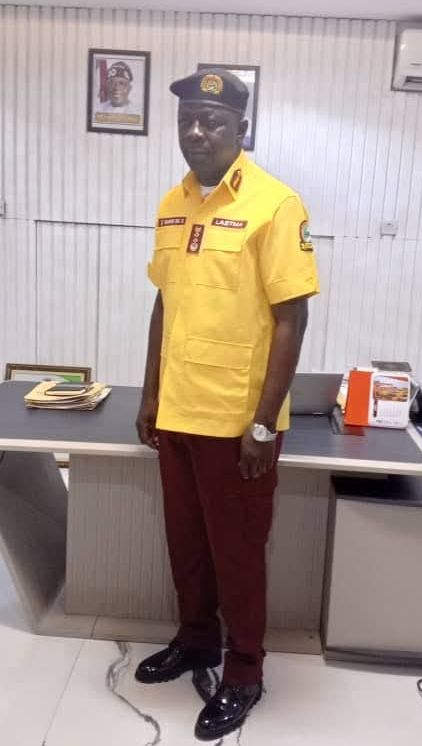
  • Sentinel Of Order:The Transformational Ascent Of LASTMA Under The Distinguished Leadership Of Mr Olalekan Bakare Oki.

    Sentinel Of Order:The Transformational Ascent Of LASTMA Under The Distinguished Leadership Of Mr Olalekan Bakare Oki.

    By Adebayo Taofiq Aribidesi

    In the restless arteries of Lagos—the commercial fulcrum of Nigeria and the pulsating heartbeat of West Africa—mobility is not a mere convenience but the very essence of survival, commerce, and urban productivity.

    Within this sprawling megacity, traffic has long been both a challenge and a determinant of destiny. It was against this backdrop that the Lagos State Traffic Management Authority (LASTMA) was conceived in the year 2000 to serve as custodian of road order and arbiter of discipline.

    Yet, it is under the visionary and reformist stewardship of its current General Manager, Mr. Olalekan Bakare-Oki, that the Authority has entered a renewed epoch of institutional modernisation, operational refinement, and civic legitimacy.

    Recasting Institutional Ethos

    When Mr. Bakare-Oki assumed office, he inherited not a monolithic agency, but a living civic institution tasked with one of the most formidable assignments in Africa—ensuring discipline amidst the daily chaos of Lagos traffic.

    Cognisant of this monumental responsibility, he sought to recalibrate the agency’s internal ethos: shifting LASTMA from an enforcement-dominated identity to a service-oriented institution defined by professionalism, empathy, and integrity.

    Under his reformist compass, LASTMA officers are no longer viewed as mere enforcers of the law but as guardians of public safety, facilitators of economic life, and stewards of order.

    This transformation—where civility complements firmness—has become a defining hallmark of his tenure.

    Innovation, Technology, and Institutional Renewal

    Mr. Bakare-Oki’s administration has been distinguished by a resolute embrace of innovation, technology, and structural upgrades commensurate with the complexities of a megacity of over twenty million inhabitants.

    Recognising that manual enforcement alone is inadequate, he has championed the integration of intelligent traffic systems, digital monitoring mechanisms, and evidence-driven interventions.

    Among the most groundbreaking strides is the inauguration of the LASTMA Toll-Free Hotline (0800-005-27862)—a direct lifeline for Lagosians to report infractions, seek assistance, and access real-time traffic information.

    This innovation has fortified transparency, accountability, and citizen engagement in unprecedented ways.

    Equally transformative is the strengthening of the Research and Statistics Department, which has been upgraded into a formidable hub of data intelligence.

    By systematically collating and analysing traffic patterns, accident trends, and enforcement outcomes, the department now informs policy decisions with precision—ensuring interventions are not reactive but strategically anticipatory.

    Synergy, Advocacy, and Civic Enlightenment

    Progress under Mr. Bakare-Oki has also been marked by expanded stakeholder collaboration and enhanced advocacy. Strategic partnerships with the Nigeria Police, Federal Road Safety Corps, Local Government Traffic Units, and the Lagos State Ministry of Transportation have strengthened enforcement synergy across the State.

    At the community level, LASTMA has invigorated the Lagos State School Traffic Safety Advocacy Programme, transforming it into a formidable channel for nurturing traffic consciousness among the younger generation.

    By embedding road safety discipline into the minds of schoolchildren, the agency is laying the behavioural foundation for a more orderly Lagos of tomorrow.

    Complementing this is a renewed emphasis on public enlightenment—leveraging radio broadcasts, grassroots forums, and civic dialogues—to foster voluntary compliance through education rather than coercion.

    Professionalisation and Officer Welfare

    Believing firmly that no institution can transcend the quality of its personnel, Mr. Bakare-Oki has prioritised the capacity building and welfare of LASTMA officers.

    Continuous training in ethics, modern traffic management, and interpersonal engagement has become institutionalised.

    Simultaneously, the reinforcement of welfare incentives and a culture of meritocracy has restored morale and instilled renewed pride in the uniform.

    This revitalisation is now palpable on Lagos roads, where officers conduct their duties with heightened professionalism, courtesy, and effectiveness.

    Economic Stewardship through Order

    The economic implications of these reforms are immense. By reducing gridlock, minimising travel-time uncertainty, and dismantling the operations of impostors and illegal enforcers, LASTMA under Mr. Bakare-Oki has directly enhanced productivity, safeguarded man-hours, and lowered logistics costs for businesses across the metropolis.

    Every avoided accident, every intercepted extortion, and every traffic delay mitigated translates into measurable economic value.

    In this regard, LASTMA’s transformation has proven not only an administrative achievement but an engine of Lagos’ economic vitality.

    Restoration of Trust and Civic Legitimacy

    Perhaps the most enduring accomplishment of Mr. Bakare-Oki’s stewardship is the progressive restoration of public trust.

    Once maligned by caricature and scepticism, LASTMA is steadily being reimagined as a partner of the motoring public rather than its adversary.

    Through transparency, fairness, and empathy, the Authority is reclaiming its rightful stature as an indispensable ally in the daily quest for safe, predictable, and efficient mobility.

    Conclusion: A Legacy of Leadership

    The evolution of LASTMA under Mr. Olalekan Bakare-Oki is far more than a chronicle of administrative reform; it is a testament to the power of leadership in redefining institutional purpose.

    Traffic management, under his vision, is no longer merely about roads and vehicles—it is about people, commerce, safety, and the preservation of the lifeblood of Lagos’ economy.

    With the toll-free hotline empowering citizens, the fortified Research and Statistics Department guiding evidence-based interventions, and the revitalized School Traffic Safety Advocacy Programme shaping future generations, Mr. Bakare-Oki has secured LASTMA’s trajectory of sustainable progress.

    As Lagos marches resolutely toward its destiny as Africa’s model megacity, the Authority’s contributions under his leadership stand as a solemn assurance: discipline shall remain the guardian of prosperity, and order shall continue to be the bedrock of development.

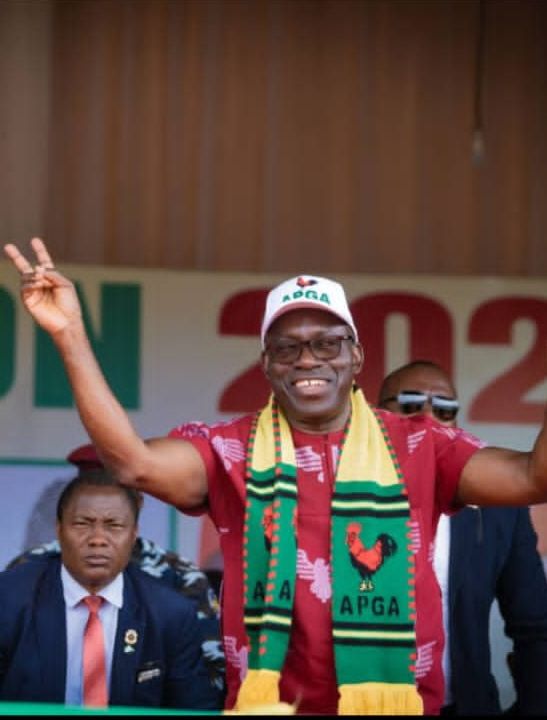
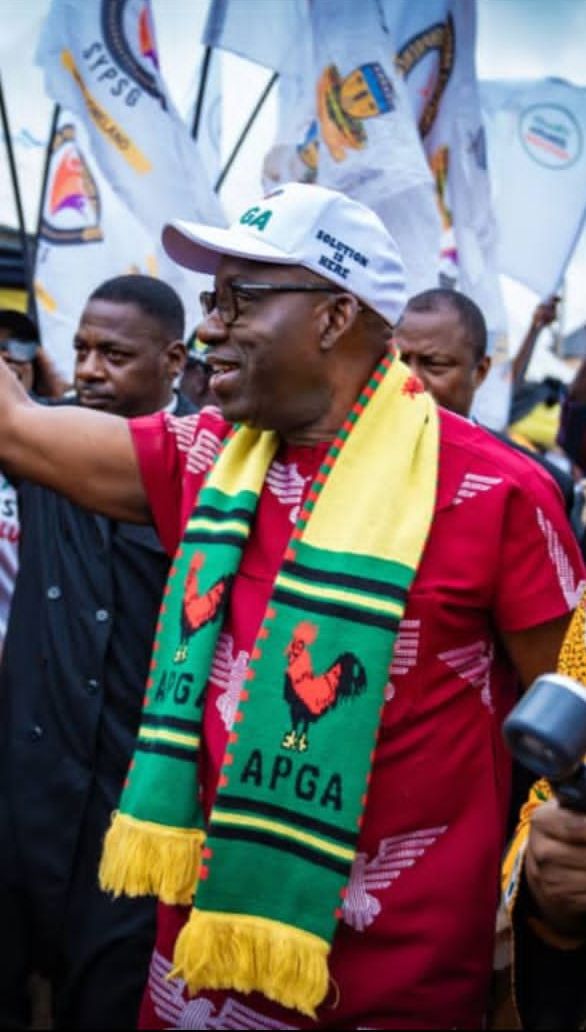
  • Soludo’s Responsive Governance And Ndi Anambra Unwavering Support.

    Soludo’s Responsive Governance And Ndi Anambra Unwavering Support.

    By Christian ABURIME

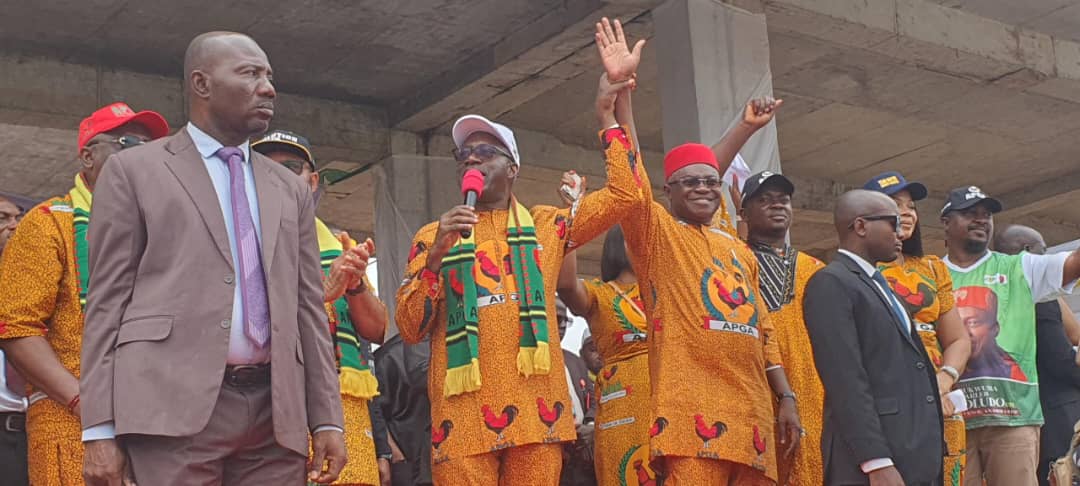
    For a long time, Saturday August 16, 2025 will be remembered not just for the overwhelming victories of APGA candidates in the Anambra State by-elections, but more importantly for the exemplary demonstration of political maturity, civic responsibility, and democratic wisdom displayed by the good people of Anambra State.

    Reflecting on this historic electoral exercise, it is crucial to pause and express profound appreciation to Ndi Anambra for their remarkable conduct and unshaken trust in responsive governance.


    From the bustling streets of Onitsha to the serene communities across Anambra South Senatorial District, the people of Anambra State conducted themselves with a dignity that makes Governor Chukwuma Charles Soludo proud. Against any possible odds of electoral violence and disruptions, Ndi Anambra chose the path of peaceful participation, orderly conduct, and respect for the democratic process.

    The orderly queues at polling stations, the patient waiting by voters, and the absence of the usual electoral tensions speak volumes about the political sophistication that has taken root in Anambra soil.

    This was the product of a people who have come to understand that democracy thrives best in an atmosphere of mutual respect and civic responsibility.

    The overwhelming mandate given to Chief Emmanuel Nwachukwu in the Anambra South Senatorial race, 90,408 votes against the APC’s 19,812, was a victory that shows Ndi Anambra’s emphatic endorsement of Governor Chukwuma Charles Soludo’s dynamic leadership. Also, Barrister Mimi Ifeoma Azikiwe’s decisive win in Onitsha North Constituency 1 reflected the people’s appreciation for governance that delivers tangible results.

    Together, these margins of victory tell a compelling story: Ndi Anambra have witnessed firsthand the difference between campaign stunts and actual governance. They have seen infrastructure projects completed, social programmes implemented, and development initiatives that touch their daily lives.

    Their votes on Saturday were certificates of appreciation for a governor who has consistently delivered on his promises.


    What makes the conduct of Ndi Anambra particularly laudable is their ability to see beyond partisan noise and focus on substance.

    This political maturity is not something that develops overnight. It is the fruit of a people who have learned to distinguish between genuine leadership and political opportunism, between tested performance and untested promises. Ndi Anambra have shown that they are not easily swayed by divisive sentiments or distracted by orchestrated controversies.

    When citizens vote in such a decisive manner for the ruling party’s candidates, they are essentially saying: “We have watched you work, we have seen your commitment, and we trust you to continue building on the foundation you have laid.” This is the highest compliment any democratic government can receive from its people.

    While we celebrate this demonstration of democratic maturity and express gratitude to Ndi Anambra for their exemplary conduct and support, we must also look ahead to the crucial governorship election scheduled for November 8th this year.

    The same wisdom, maturity, and commitment to good governance that characterised last Saturday’s by-elections will be needed in even greater measure.

    At this stage, the foundation of progress that Governor Soludo has laid in his first term requires continuity and sustainability. The development projects initiated need completion, the reform programmes need consolidation, and the vision for a prosperous Anambra needs more time to materialise fully under the dynamic leadership of Governor Soludo

    So, let us keep the faith with APGA. Keep the faith with proven performance. Keep the faith with Governor Soludo. The November governorship election presents an opportunity to consolidate the gains of the past few years and launch Anambra State into an even more prosperous future. Once again, thank you, Ndi Anambra!

  • When A Man’s Individuality Favours The Igboness Of Ndigbo In Lagos State 

    When A Man’s Individuality Favours The Igboness Of Ndigbo In Lagos State 

    By Emmanuel Clement 

    More often than not, what changes the discussion around humanity,  goodness and large-heartedness of a people usually come from the kind of leadership that’s offered.

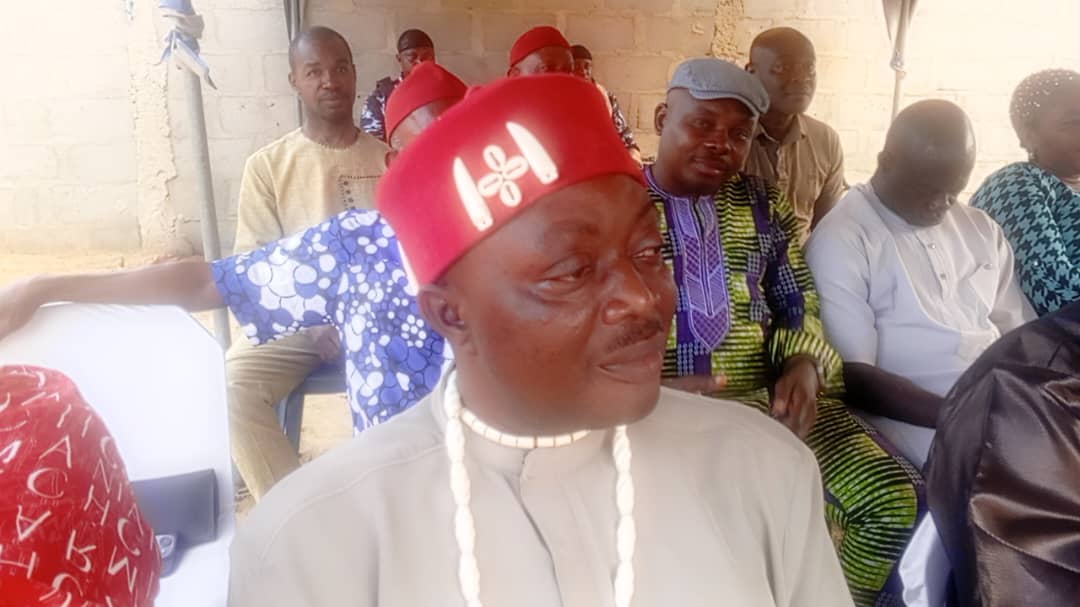
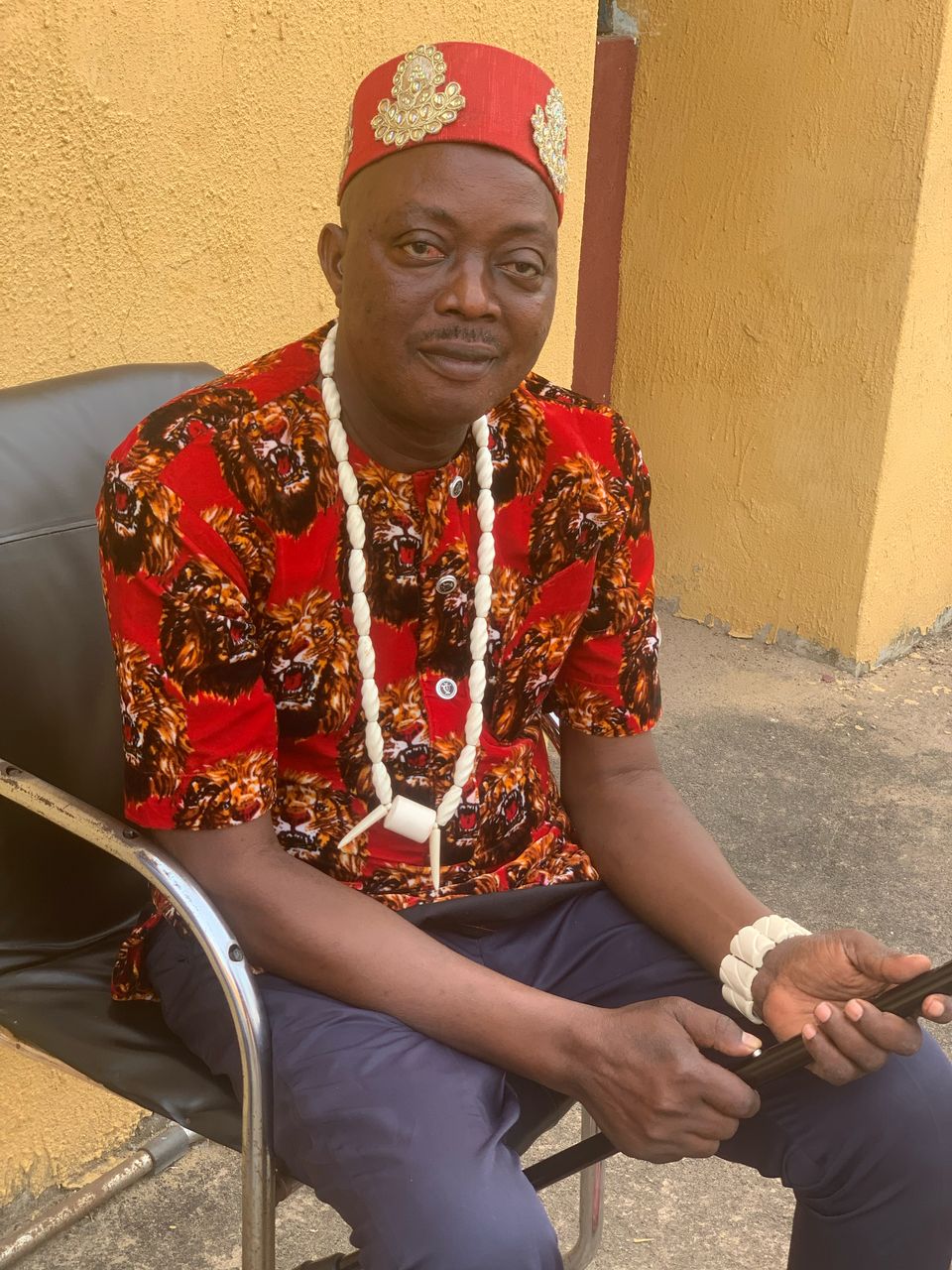
    The Lagos state landscape has recently snowballed to another level of discuss given the  impactfulness of Chief Emmanuel Ubah, Otunba Ojoto, the current chairman Ohaneze Ndigbo of Atto Awori LCDA Lagos State,who is also the Founder, Save the Needy Foundation.

    Chief Emmanuel Ubah, Otunba Ojoto is a man who’s a personification of devotion and dedication. His leadership style has been applauded as it’s encapsulated in the principles of justice, accountability, transparency and inclusivity and he believes that humanity is the best work of life because a life lived in others is one well lived.

    Ubah,a prominent figure in Ohaneze NDI Igbo Lagos State, has thrown his hat into the ring to contest for the position of President General of the organization.

    His bid for the position of President General of Ohaneze NDI Igbo Lagos State has generated significant interest among the Igbo community in Lagos. With a strong track record of leadership and a vision for unity, progress, and pride,he is poised to make a meaningful impact on the organization in promoting the welfare and interests of the Igbo people in Lagos State.

    Ubah, fondly called Otunba Ojoto is not only transparently honest, he is honestly transparent in his dealing with anyone that comes around and across him. He has used his office as Chairman Ohaneze Ndigbo Atto Awori LCDA chapter to touch lives of many Igbos in Lagos and beyond. His contacts more often benefit not himself but the generality of Ndigbo in Lagos.

    His leadership style has been applauded as it’s encapsulated in the principles of justice, accountability, transparency and inclusivity”


    Many wonder if the Otunba Ojoto can do these much as LCDA Ohaneze Ndigbo chairman, how much more when he is elected to lead the entirety of Ndigbo under the umbrella of President of Ohaneze Ndigbo Lagos. Your guess will be as good as mine.

    In different fora, Ubah has outlined his vision for Ohaneze Ndi Igbo Lagos State which is centered on unity, progress, and pride,as he aims to reconcile all Igbo factions in Lagos State, ensuring they speak with one voice and work towards a common goal.

    Protect and promote Igbo culture, language, and traditions, preserving the rich heritage of the Igbo people and create opportunities for youths, empower women, and support elders, fostering a sense of community and inclusiveness.

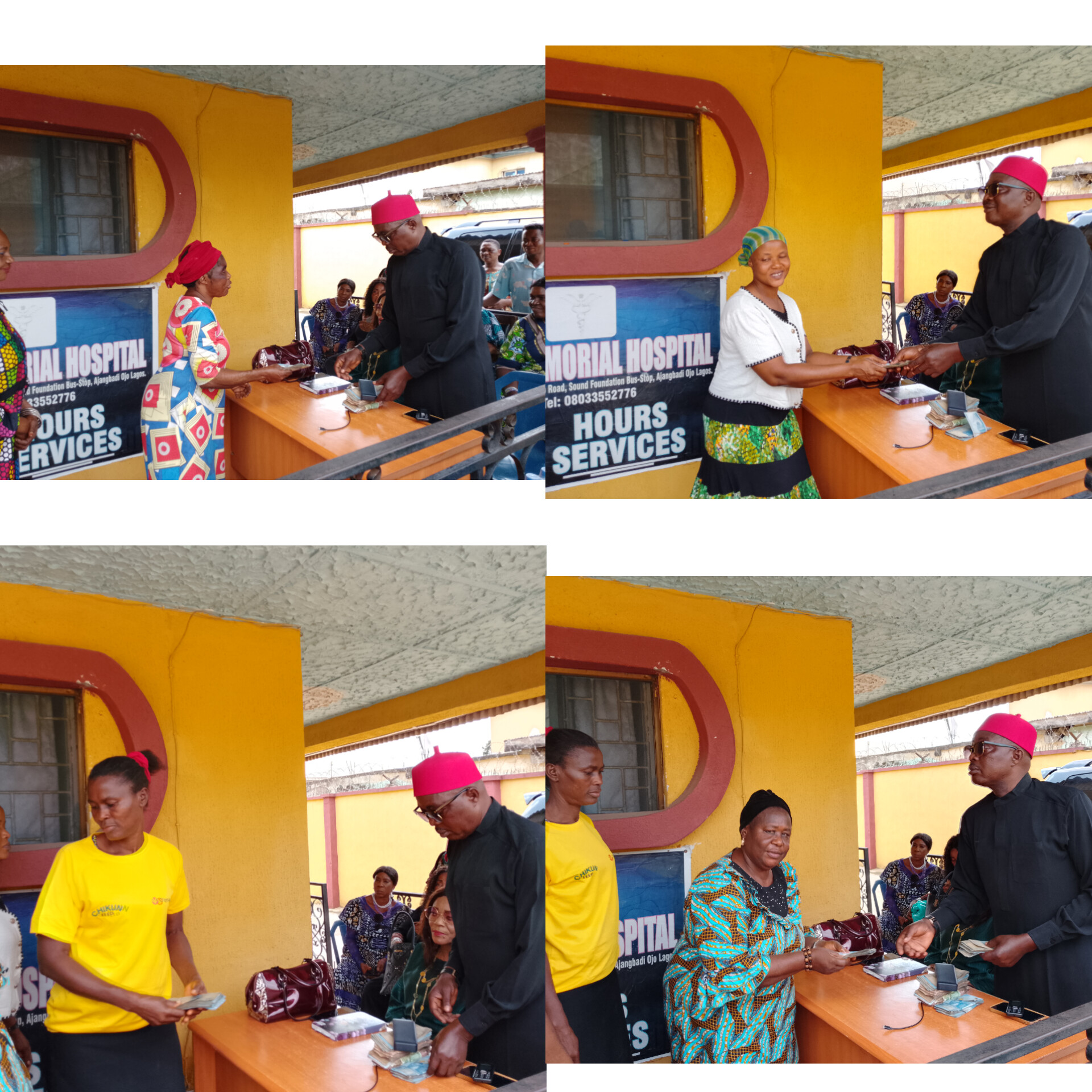
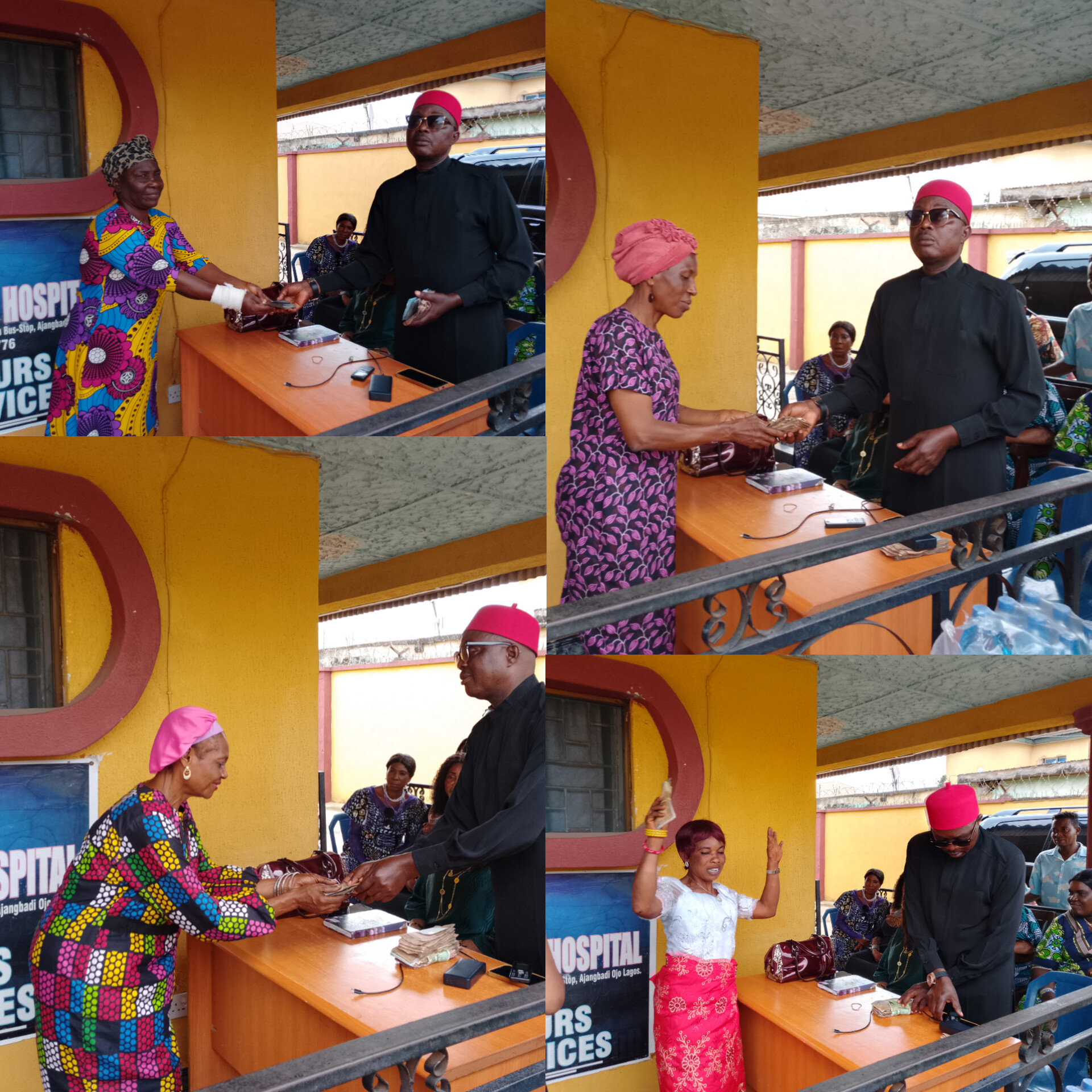
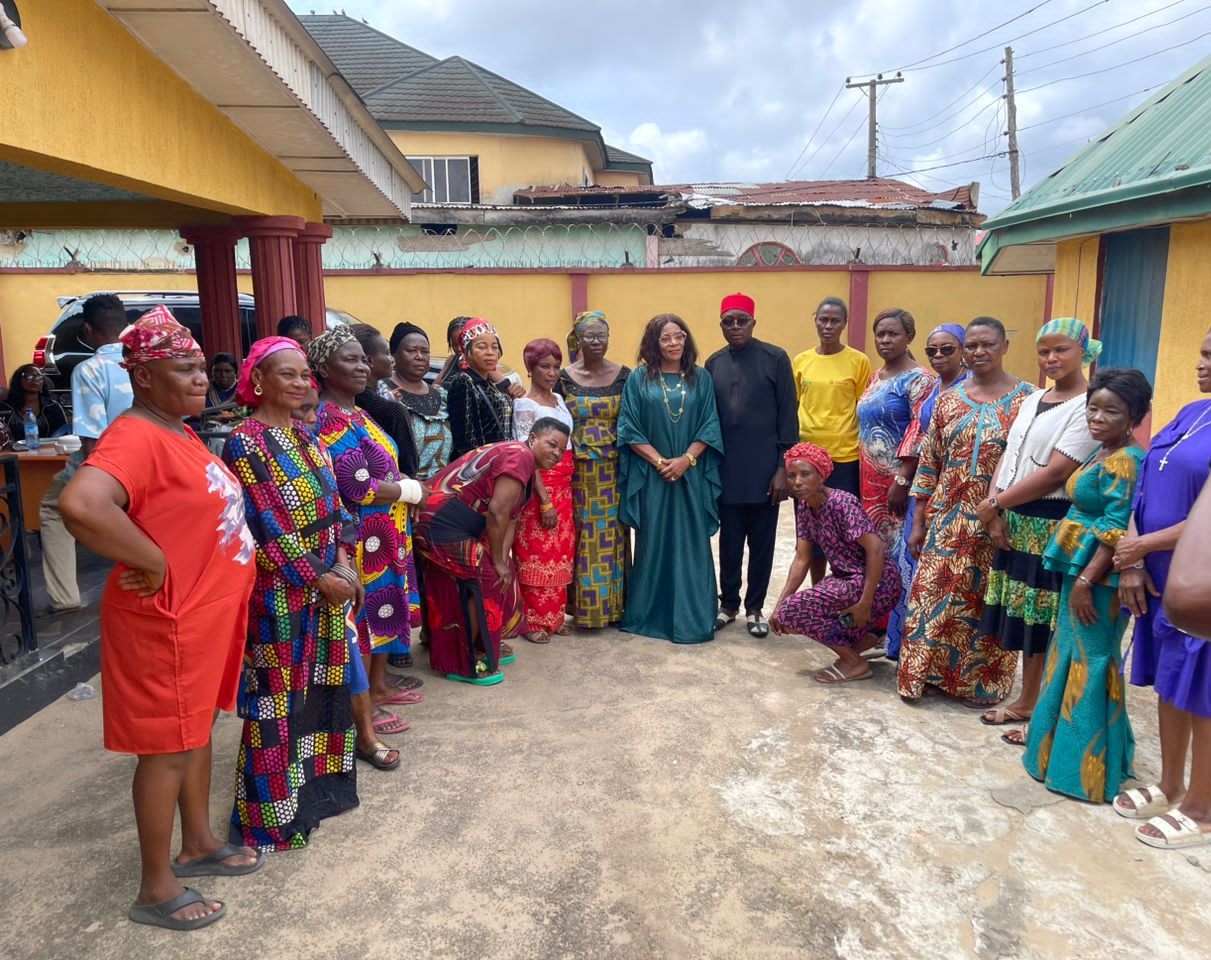
    Recently, akin to his long-standing magnanimity and benevolence, he gave out 1.1million naira to 20 widows and orphanage homes where each woman received 30,000 and N500,000 to an orphanage home,among other philanthropic gestural kindness he offers to array of individuals.


    The incumbent President General of Ohaneze Ndigbo in Lagos, High Chief Solomon Aguene having weighed Otunba Ojoto on the balance of love for humanity and  capital development of Ndigbo in Lagos found him worthy of endorsement for the exalted position of number one Igbo citizen of Lagos.

    Going by the title of his manifesto, ‘A call to unity, progress and pride, he seeks to provide a platform for level playing ground for all Ndigbo in Lagos and work with government to ensure protection of Ndigbo and their property in Lagos.

    His plan to unite and bring all members of the community under one umbrella of love, peace, togetherness and shared heritage has put him above everything else. His believe in ‘onye aghala nwanne ya’ has come highly recommended and drawn men of goodwill to his side.

    Chief Emmanuel Ubah has gone through the thick and thin of life understanding that what one needs is the people movement that is endeared to their cherished movement head.

    Otunba Ojoto is a man of impact. He believes that a life without impact is in-parts. He equally believes that governance is about security of lives and property, provision of basic amenities and protection of fundamental human rights of all individuals irrespective of class.

    He has shown over time through his foundation that governance is about provision of platform for development of self for self dependence. He understands that governance is about the people, giving to the people and working for people. No wonder, there is high level of galvanization around this rare gem of individual in Lagos state.

    I could conjecture that the decision of others to run for the position of number one citizen of the state has waned when the personality of Chief Emmanuel Ubah criss crosses the minds of those angling to run. His plan to pull Ndigbo in Lagos to the echelon of recognition and impact has made him stand tall.

    Otunba Ojoto is the man whose sense of reasoning and welfare has dotted the line of progress and development. What about the trajectory of achievements. They’re indeed needed in the affairs of Lagos State.

    This model of personality and individuality upon which Chief Emmanuel Ubah has become is scarce in the marketplace of humanity.

    A lion does not need to pray to be big, a bird doesn’t need to bind and cast for it to fly… you know why.. it’s in their nature to do so. What Otunba Ojoto will do for Ndigbo in Lagos is in him. He doesn’t need to learn the ropes.

    Otunba Ojoto does not need to learn to perform, create the investment environment for businesses to thrive nor address the spate of lack of protection of property of Ndigbo in the state because it’s his nature to do so especially when it comes under the capsule of his relational skills and capacity. Highly personable if you ask me.

    His plan to pull Ndigbo in Lagos to the echelon of recognition and impact has made him stand tall.”


    With elections slated for June 2025, Ubah’s candidacy promises a new era of leadership and unity for Ohaneze NDI Igbo Lagos State even as Ohaneze Ndigbo Era Zone Atto Awori supported his Candidacy and pledge to actualized his ambition.

    His commitment to truth, unity, and progress has resonated with many, and his vision for the organization is eagerly anticipated. As the Igbo community in Lagos State looks to the future, one thing is certain – the leadership of Ohaneze NdI Igbo Lagos State will play a crucial role in shaping their destiny.

    Chief Emmanuel Ubah: A Leader For Unity And Progress In Ohaneze NDI Igbo Lagos State.

    Emmanuel Clement writes from Lagos

  • APGA’s Anambra By-Election Victory: Rooted In Democratic Credibility

    APGA’s Anambra By-Election Victory: Rooted In Democratic Credibility

    By Christian ABURIME 

    The dust has settled on Saturday’s by-elections in Anambra State, and the results speak volumes about the political maturity of Ndi Anambra and the growing confidence in democratic institutions under Governor Chukwuma Charles Soludo’s leadership, along with President Bola Ahmed Tinubu’s progressive disposition.

    The All Progressives Grand Alliance (APGA) did not just win; the ruling party delivered a resounding statement about effective governance and electoral integrity.

    Chief Emmanuel Nwachukwu’s commanding victory in the Anambra South Senatorial District, securing 90,408 votes against the APC’s 19,812, represents more than a numerical triumph. It is a referendum on Governor Soludo’s governance impact on his first-term performance.

    When a ruling party wins by such overwhelming margins in a competitive democracy, it signals that voters are rewarding concrete achievements rather than empty campaign rhetoric.

    Similarly, Barrister Mimi Ifeoma Azikiwe’s victory in Onitsha North Constituency 1 with 7,774 votes further consolidates APGA’s legislative presence in the State House of Assembly, creating a unified platform for continued development initiatives.

    These electoral feats go beyond marginal wins squeezed out through political maneuvering to prove decisive mandates that reflect genuine popular support.

    Perhaps, the most commendable aspect of Saturday’s exercise was the seamless collaboration between federal and state institutions.

    President Tinubu’s administration, INEC, and security agencies created an environment where democracy could flourish without the usual disruptions that have plagued Nigerian elections. This bipartisan commitment to electoral integrity deserves recognition and replication in future elections.

    The fact that a few opposition figures attempted to create confusion but failed spectacularly speaks to both the vigilance of electoral officials and the political sophistication of Anambra voters. Ndi Anambra refused to be distracted by manufactured controversies, choosing instead to focus on the substantive issues that affect their daily lives.

    In terms of responsible leadership, Governor Soludo’s visible role in the campaigns pointed to a confident leader putting his administration’s record before the people on behalf of the party’s candidates.

    When a governor actively campaigns knowing that the results will be interpreted as a judgment on his performance, it demonstrates remarkable confidence in his achievements.

    The wide margins of victory across local government areas validate this confidence and suggest that Governor Soludo’s governance model touches base with grassroots constituents.

    While it might sound presumptuous to view these by-elections as a definitive preview of the upcoming governorship election, the trends are unmistakably positive for APGA and Governor Soludo.

    The party’s ability to mobilise across diverse constituencies while maintaining electoral credibility positions them advantageously for the November 2025 guber election.

    More importantly, these results suggest that Anambra voters are developing a more sophisticated political consciousness, one that prioritises performance over propaganda, results over rhetoric, and sustainable development over short-term gains. This is a worthy evolution in political culture.

    Indeed, the peaceful, transparent, and credible nature of Saturday’s by-elections should become the new normal for Nigerian democracy.

    When federal authorities, electoral officials, security agencies, and state governments work in accord to protect the sanctity of the ballot, democracy wins regardless of which party emerges victorious.

    The people have spoken, and their message is resonant: performance matters, integrity counts, and Anambra is ready to continue its journey toward sustainable development under the proven APGA leadership of Governor Chukwuma Charles Soludo, CFR.