Category: Featured

Featured posts

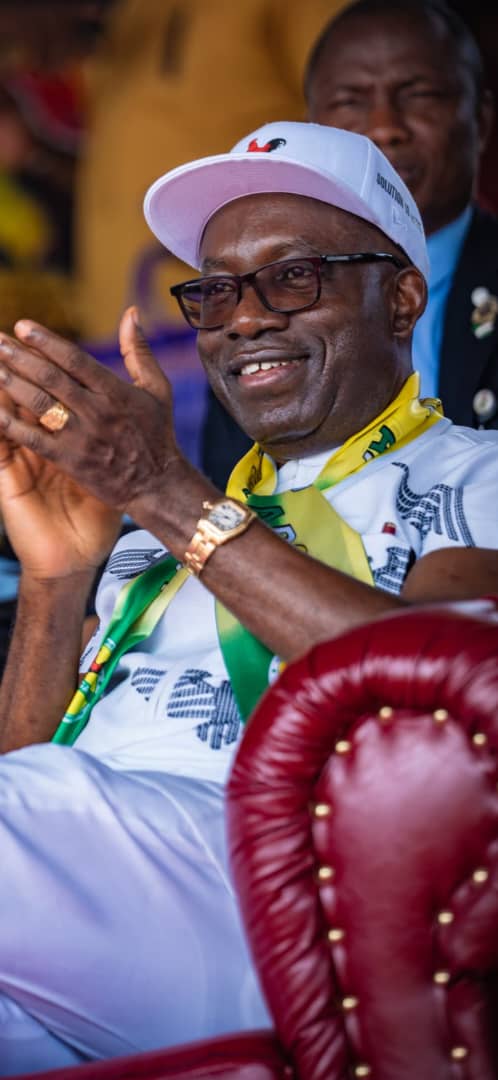
  • Governor Soludo@65: Selfless, Compassionate And Empathetic Servant Leader.

    Governor Soludo@65: Selfless, Compassionate And Empathetic Servant Leader.

    By Christian ABURIME

    For great minds, leadership is about service that combines a sense of responsibility with a soul of empathy. Societies that have such great minds as leaders are lucky indeed.

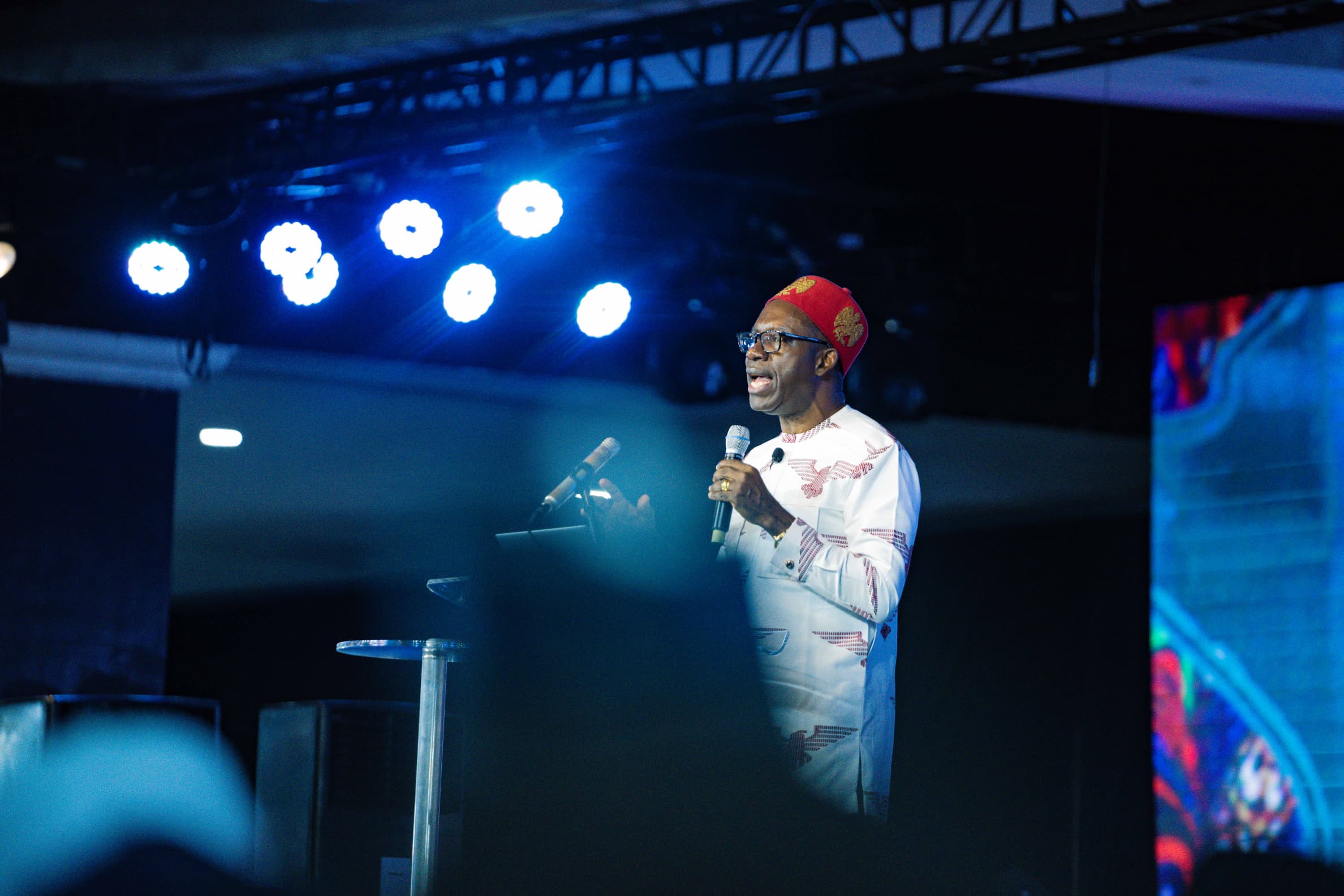
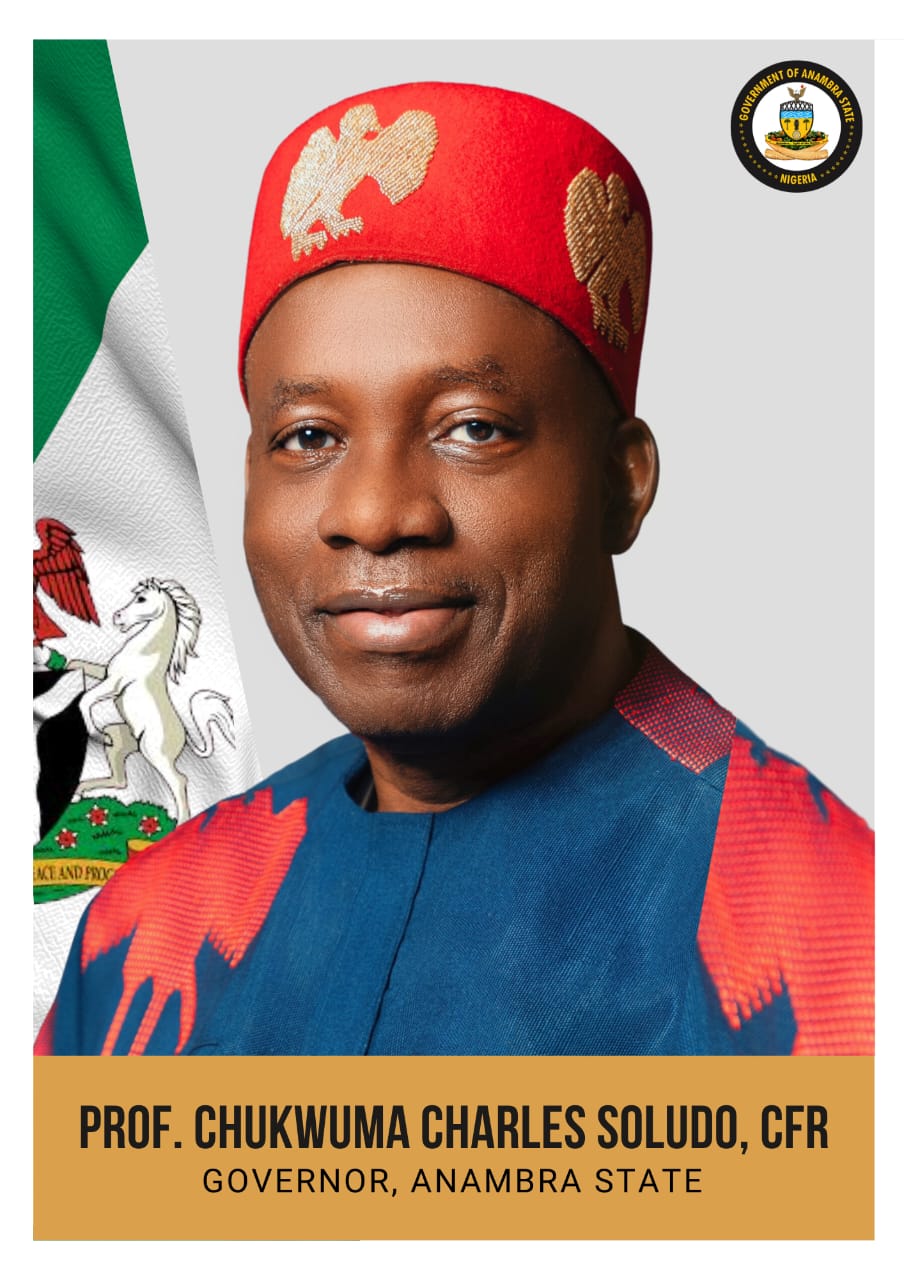
    Today, Anambra State is proud to have one in Governor Chukwuma Charles Soludo, CFR, who marks a milestone birthday as he clocks 65 years.

    This is, therefore, a great occasion to reflect on the impactful leadership that has defined Governor Soludo’s tenure in Anambra State. His administration is a refreshing example of governance rooted in genuine care for the people he serves.

    Over the past three years, his administration has demonstrated that effective governance is measured not by political grandstanding but by tangible improvements in the welfare of the people.

    For instance, the governor’s free antenatal and delivery care programme for Anambra women embodies a nuanced understanding that maternal health is foundational to community prosperity.

    By removing financial barriers to prenatal and delivery care, his administration has ensured that every expectant mother in Anambra, regardless of economic status, can access quality healthcare during their critical period.

    Similarly, the commitment to free education reflects a leader who

    understands that investing in children is investing in the state’s future. Education remains the most powerful tool for breaking cycles of poverty, and Governor Soludo’s dedication to making quality education accessible to all Anambra children proves his long-term vision for Anambra’s sustainable development.

    The same can be said about the prompt payment of pensions to senior citizens as another dimension of Governor Soludo’s empathetic leadership.

    Too often, elderly citizens who have served their state faithfully find themselves neglected by the systems they helped build.

    But by prioritizing timely pension payments, the governor has restored dignity to Anambra’s senior citizens, acknowledging their contributions and providing them with the security they deserve in their golden years.

    We can also mention the minimal tax or tax-free status for blue-collar workers, artisans, drivers, and others in Anambra as further illustrating the governor’s understanding of economic realities facing ordinary families.

    By reducing the tax burden on those who form the backbone of the state’s informal workforce, Governor Soludo has shown that progressive governance means easing the financial pressures on those who can least afford them.

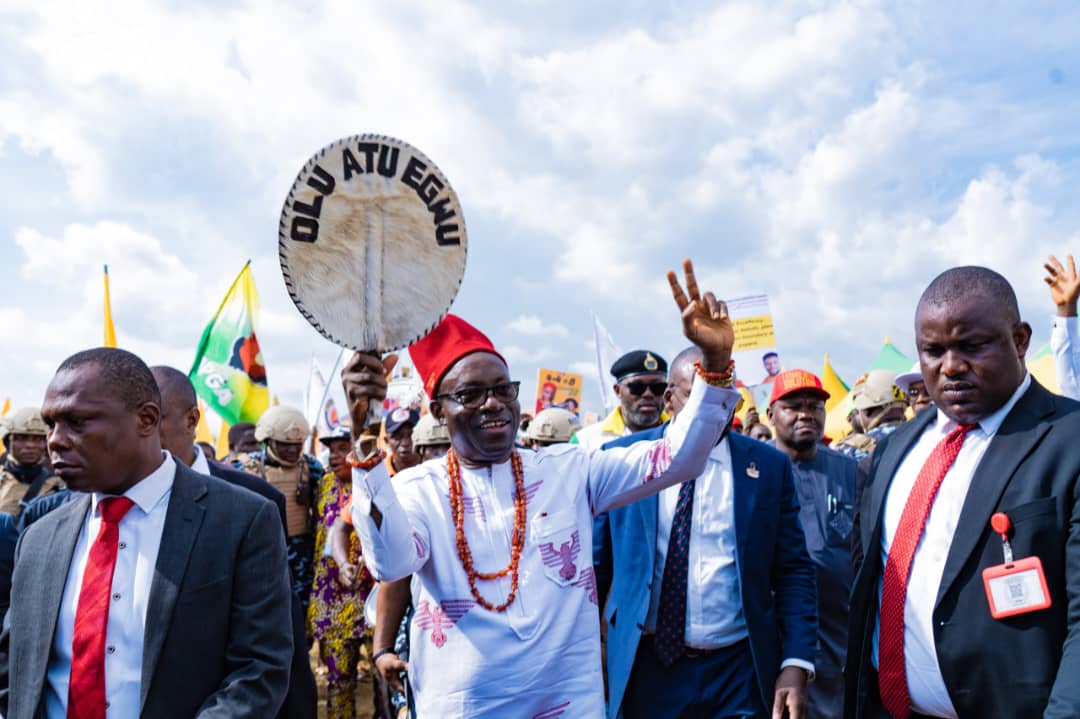
    Recently, the appreciative people of Anambra have bestowed upon their governor a befitting adulatory title that captures the essence of his leadership character: “Oruatuegwu”, meaning one who does not fear work and works tirelessly without growing weary.

    This title, deeply rooted in Igbo values that celebrate industriousness and dedication, speaks to how the people themselves view their leader for his relentless efforts to transform their state.

    So, in celebrating Governor Soludo’s 65th birthday, we celebrate more than a technocratic governor; we celebrate a model of leadership that prioritizes service over self-interest, responsibility over privilege, empathy over empty rhetoric, and tangible progress over political drama.

    His administration reminds us that effective governance requires both vision and compassion, as well as strategic thinking and genuine care for the governed.

    In the end, the transformation of Anambra under his leadership vividly proves what can be achieved when a leader truly understands that public service is, at its core, about serving the public, not self.

    As he marks another year of life, the people of Anambra can take pride in having a governor who embodies the very best of servant leadership.

  • Beacon Of Renewed Hope For The Grassroots.

    Beacon Of Renewed Hope For The Grassroots.

    …….As New LG Chairmen  Take Charge In Lagos State.

    Prince Adéníyì Olútìmẹ̀hìn

    In the grand civic theatre of Lagos state where destiny meets duty and democracy finds its fertile rhythm today, we behold a fresh sunrise on the face of grassroots governance.

    With a heart brimming with patriotic conviction and an unshaken belief in the democratic ideals of our dear state. I, Prince Adéníyì Olútìmẹ̀hìn-MAJESTY, extend my profound felicitations to the newly inaugurated Local Government Chairmen across our great state.

    I salute each of you as torchbearers of hope, entrusted by the people to animate the promise of proximity, participation, purpose and progress.

    The weight of your mandates is not merely political, it is profoundly spiritual. You have been called not only to administer but to listen; not only to govern but to serve.

    Rejoice, for you have been chosen in a time when Lagos is rising, reinventing, and radiating resilience. But in rejoicing, remember: this celebration must transcend the ceremonial.

    It must become catalytic, birthing new governance narratives where roads are not just constructed, but destinies are paved; where schools are not just renovated, but dreams are ignited.

    To lead today requires more than authority, it demands empathy. Governance without compassion becomes machinery without humanity.

    I urge you to lead as custodians of community trust, as architects of inclusive development, and as shepherds of the people’s will.

    As the wind of Greater Lagos continues to swell under the visionary stewardship of Governor Babajide Olusola Sanwo-Olu, may your tenure align with the grander state symphony, a harmony composed in innovation, orchestrated by integrity, and sung through the chorus of equity.

    I charge you to govern with vision, not division, build with purpose, not politics. Serve with honour, not hubris. Invest in the people, for they are the currency of true development.

    In the solemn oath you have taken, the ink of your signatures must translate into action, empathy, and excellence. May your reigns be marked by legacy, legitimacy, and light.

    Once again, I offer my goodwill and fervent prayers for a fruitful, peaceful, and people-centered administration in every Local Government and Local Council Development Area across Lagos State. Congratulations.


    Signed:

    PRINCE ADÉNÍYÌ OLÚTÌMẸ̀HÌN-MAJESTY

    President, Greater Lagos Initiative (GLI) | Advocate of Inclusive Governance and Community Renaissance

  • Otunba Dr. Ademuyiwa Ben Eniayewun: A Salute To A Quintessential Technocrat And Humane Administrator @60

    Otunba Dr. Ademuyiwa Ben Eniayewun: A Salute To A Quintessential Technocrat And Humane Administrator @60

    Prince Adeniyi Olutimehin

    As the curtain draws near on a sterling career in public service marked by uncommon excellence and ennobled leadership, it becomes imperative to pay glowing homage to an emblem of administrative brilliance, a steward of institutional probity, and a visionary pacesetter in public healthcare governance: Otunba Dr. Ademuyiwa Ben Eniayewun, the outgoing Permanent Secretary of the Lagos State Health Service Commission.

    Dr. Eniayewun’s professional odyssey through the Lagos State Public Service is nothing short of a luminous chronicle in transformative public management.

    A technocrat par excellence, he has consistently demonstrated an unwavering commitment to the ideals of transparency, innovation, and citizen-focused healthcare reform.

    His tenure has been defined by strategic foresight and deliberate execution, hallmarks of a mind profoundly attuned to institutional progress and systemic excellence.

    Endowed with a unique synthesis of intellectual gravitas, strategic dexterity, and unassuming charisma, Otunba Eniayewun administered with precision, led with compassion, and inspired with vision.

    Under his watch, the Health Service Commission underwent sweeping administrative modernization, robust workforce revitalization, and the seamless digital migration of core service systems, ushering in an era of enhanced efficiency, responsiveness, and transparency in public health delivery.

    His human-centred philosophy transcended policy rhetoric, manifesting daily in tangible outcomes: accelerated professional growth for healthcare workers, improved welfare mechanisms, and the mainstreaming of global best practices across the service spectrum.

    His leadership was calm yet assertive, firm yet empathetic, pragmatic yet idealistic, a rare balance that positioned him as both a technocratic anchor and a moral compass.

    Now, as he gracefully exits the centre stage of civil service administration, we celebrate not merely a retirement but the legacy of a man whose indelible contributions have left the health governance architecture of Lagos State more robust, responsive, and resilient.

    Dr. Ademuyiwa Eniayewun is a name that shall resound in policy circles, mentoring corridors, and the annals of civil service excellence for years to come.

    At 60, we join multitudes in celebrating a colossus an intellectual statesman, a reformer of repute, and a compassionate patriot. May this new chapter unveil greater dimensions of purpose, influence, and humanitarian impact.

    I, Prince Adeniyi Olutimehin on behalf of my team, Greater Lagos Initiative says congratulations, Otunba. Godspeed and glory to your onward journey.

  • How Businesses Are Thriving Through The Expansion Of Mushin-Isolo Road Facilitated By Hon Ganiyu Abiodun Johnson (GAJ).

    How Businesses Are Thriving Through The Expansion Of Mushin-Isolo Road Facilitated By Hon Ganiyu Abiodun Johnson (GAJ).

    By Amb. Abiodun Ajayi (Mandate)

    What many once thought was impossible has now become a symbol of transformation, resilience, and visionary leadership.

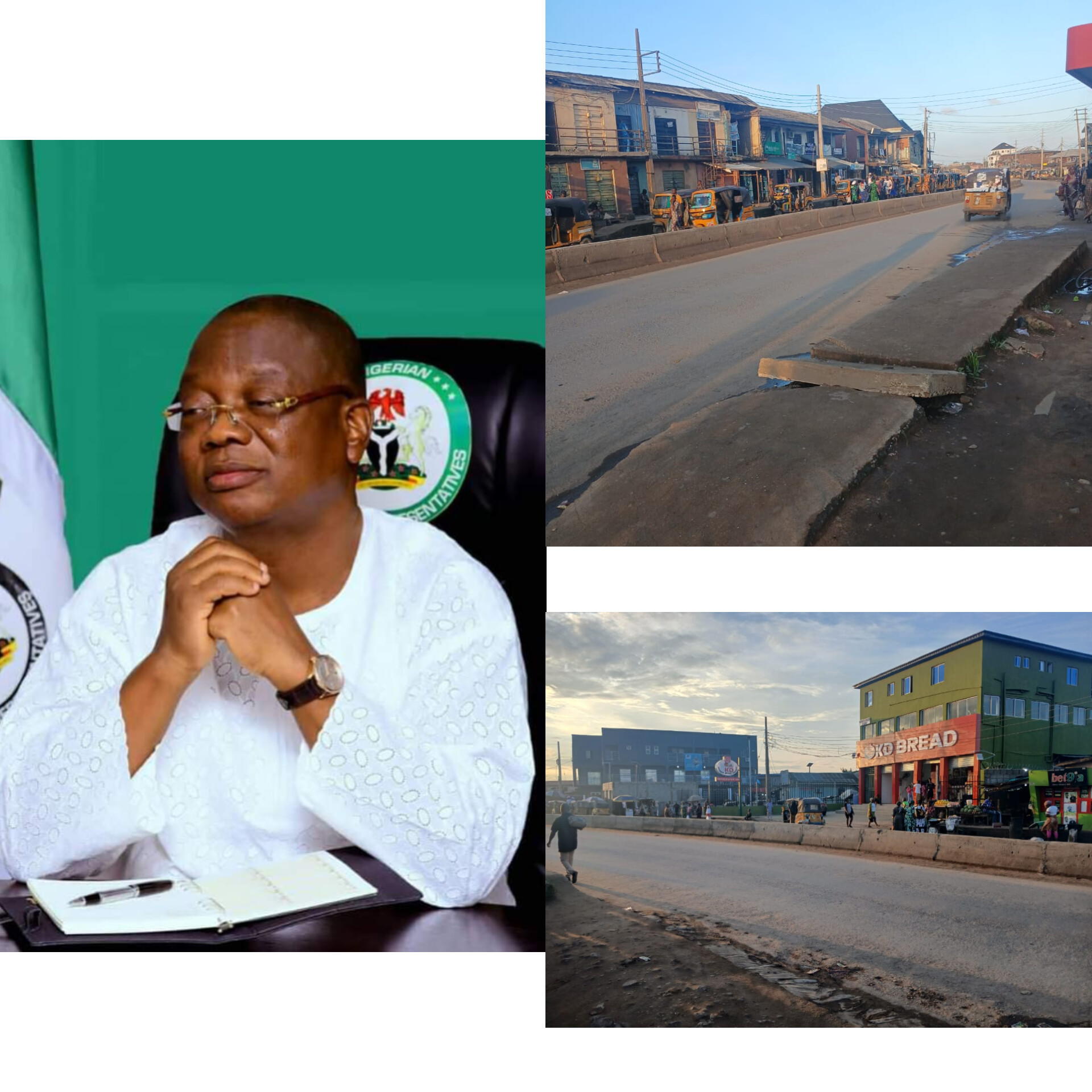
    The expansion of the Mushin-Isolo Road, long considered a dream by residents and business owners, has become a reality. Thanks to the determined efforts of Hon. Ganiyu Abiodun Johnson (GAJ), the former House of Representatives member representing Oshodi-Isolo Federal Constituency II.

    This project, which had lingered for decades due to different bottlenecks, has now given birth to renewed hope for commuters, traders, transporters, and small business owners who rely on that corridor for their daily livelihood.

    Hon. GAJ, the architect of modern connectivity, envisioned a constituency where road infrastructure fuels economic development.

    His foresight, grounded in practical action, led to the execution of this major road expansion. A development many describe as one of the most impactful projects in the constituency’s recent history.

    The Mushin-Isolo Road, previously known for gridlocks, poor drainage, and damaged surfaces, has now become a smooth-flowing route that connects businesses to new customers, markets, and partners. Traffic time has been drastically reduced, logistics operations have improved, and the aesthetics of the area have also been enhanced, drawing new investors into the corridor.

    According to a local trader who preferred to remain anonymous, “Out of the many projects by Hon. Ganiyu Abiodun Johnson, the Mushin-Isolo Road expansion is one of the best. It has breathed new life into our daily activities. Customers who once avoided this route now flock to our shops without hesitation.”

    From retail stores and markets to logistics companies and service providers, the ripple effect of road expansion is evident. Businesses that once struggled due to accessibility issues now thrive. Commercial activity has surged, property values are rising, and the general outlook of the area is brighter.

    GAJ is not just a politician; he is a man of purpose and action. His commitment to infrastructural development has set a high standard for service delivery. Beyond the Mushin-Isolo Road, his tenure was marked by numerous people-centered projects aimed at improving the quality of life for his constituents.

    The expansion of this road is more than just a project; it is a statement of what is possible when visionary leadership meets community needs.

    As Mushin-Isolo Road continues to attract business traffic and socio-economic growth, residents and stakeholders now believe more than ever in the power of effective representation. Hon. Ganiyu Abiodun Johnson has shown that with the right leadership, even the most complex challenges can be turned into success stories.

    Indeed, the Mushin-Isolo corridor is now a thriving hub. A small Singapore in the making, where dreams are nurtured on solid ground and businesses grow through better roads.

  • NIHOTOUR ACT 2022:One Of The Enduring Legacies Of Late President Muhammadu Buhari For Nigeria’s Hospitality And Tourism Industry.

    NIHOTOUR ACT 2022:One Of The Enduring Legacies Of Late President Muhammadu Buhari For Nigeria’s Hospitality And Tourism Industry.

    By Professor Wasiu Adeyemo Babalola

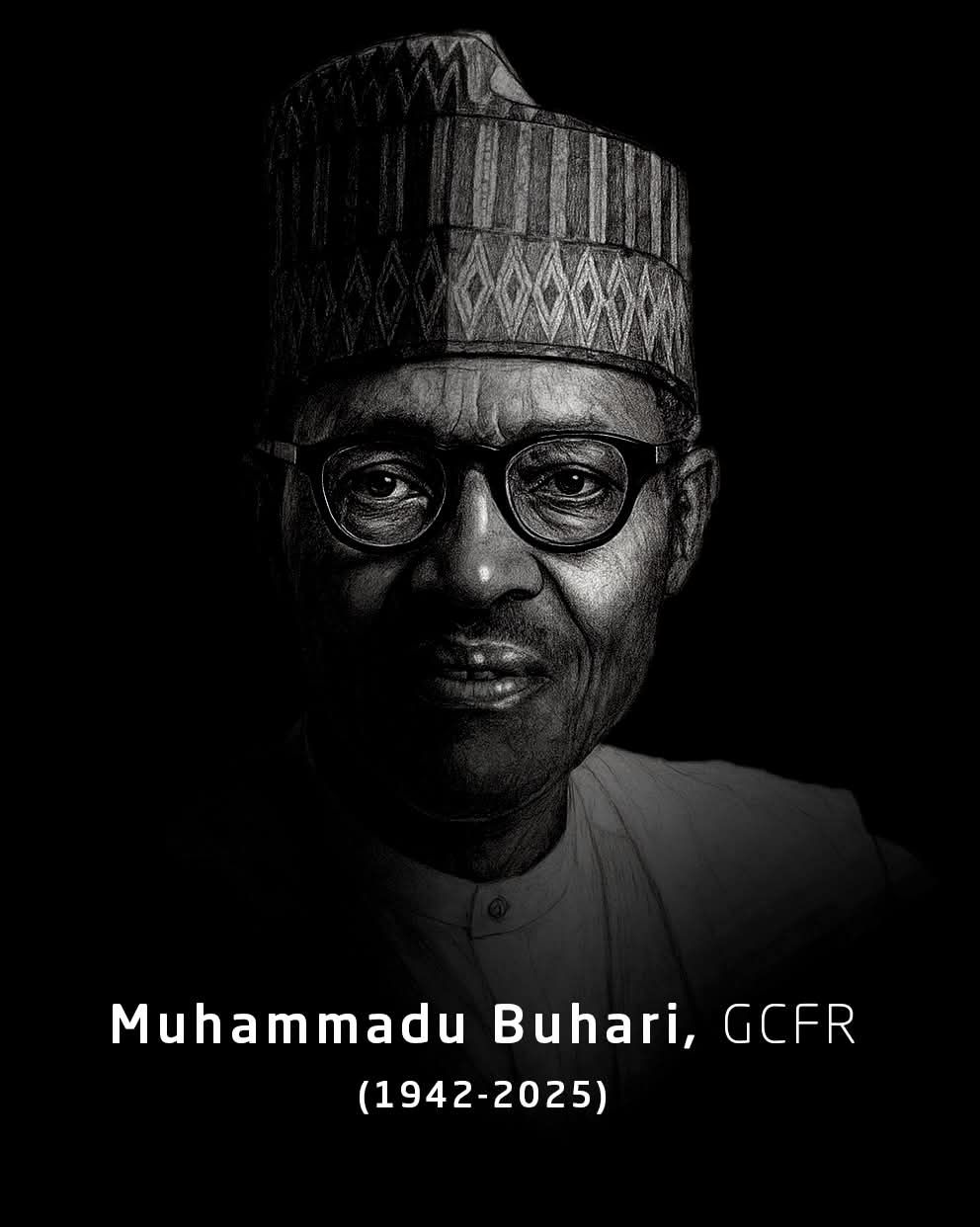
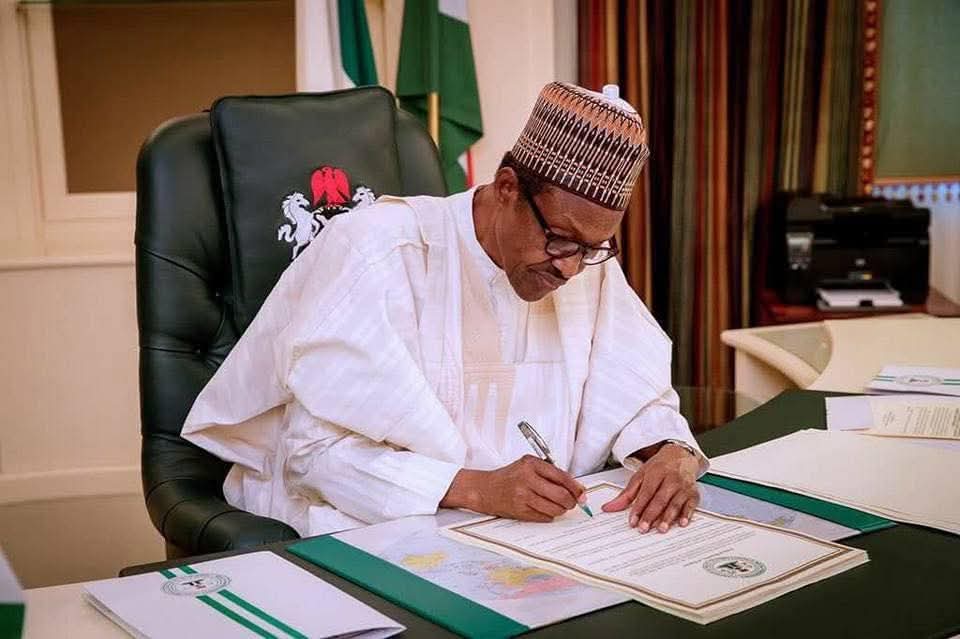
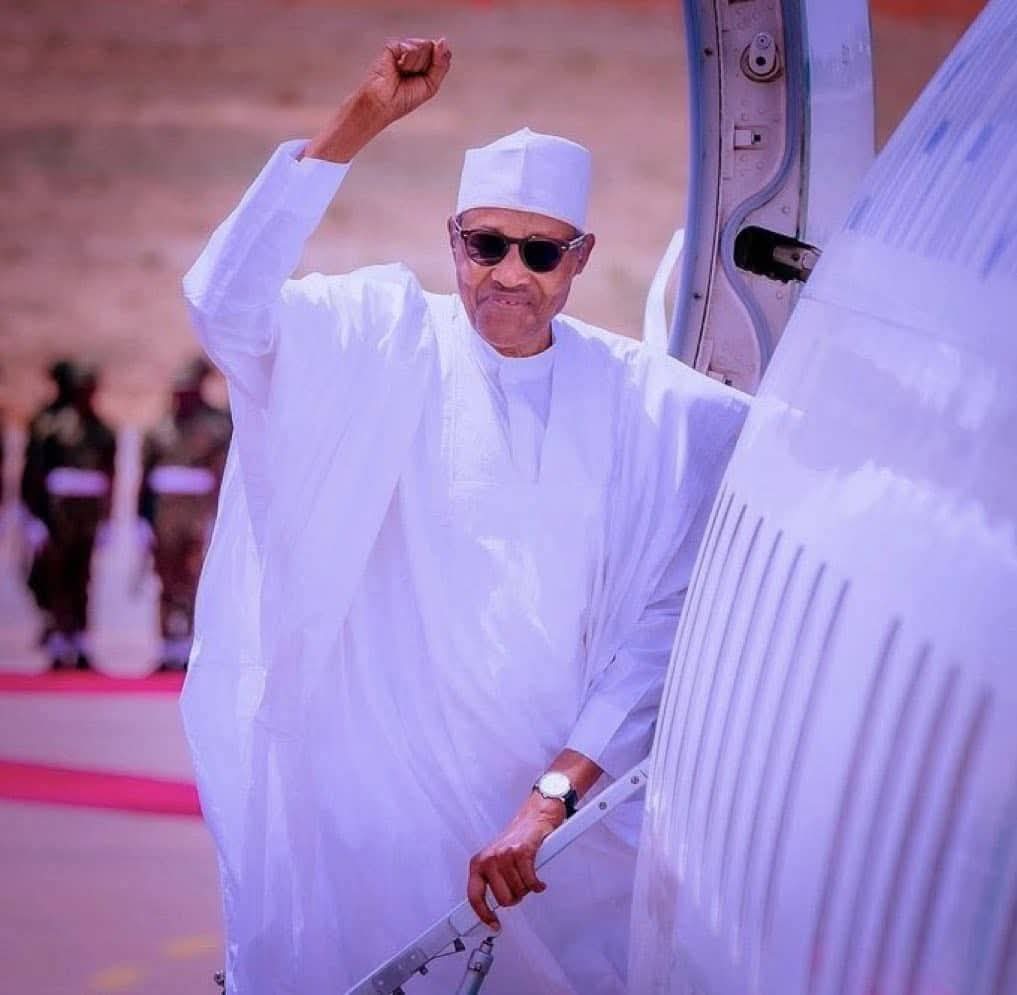
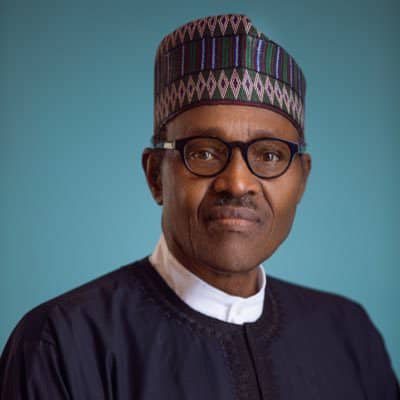
    On July 13,2025,Nigeria mourned the passing of one of its most consequential post-independence leaders,President Muhammadu Buhari(GCFR).After a brief illness,his death marked the end of an era defined by both resilience and reform.As the nation reflects on his legacy,the hospitality and tourism industry recognises with deep appreciation one of his most transformative,yet often understated,contributions:his assent to the National Institute for Hospitality and Tourism(NIHOTOUR)Establishment Act,2022.

    In a sector that had been plagued by years of policy neglect,fragmented training structures,and weak institutional capacity,this Act offered a fresh start and institutional legitimacy for long-overdue reforms.
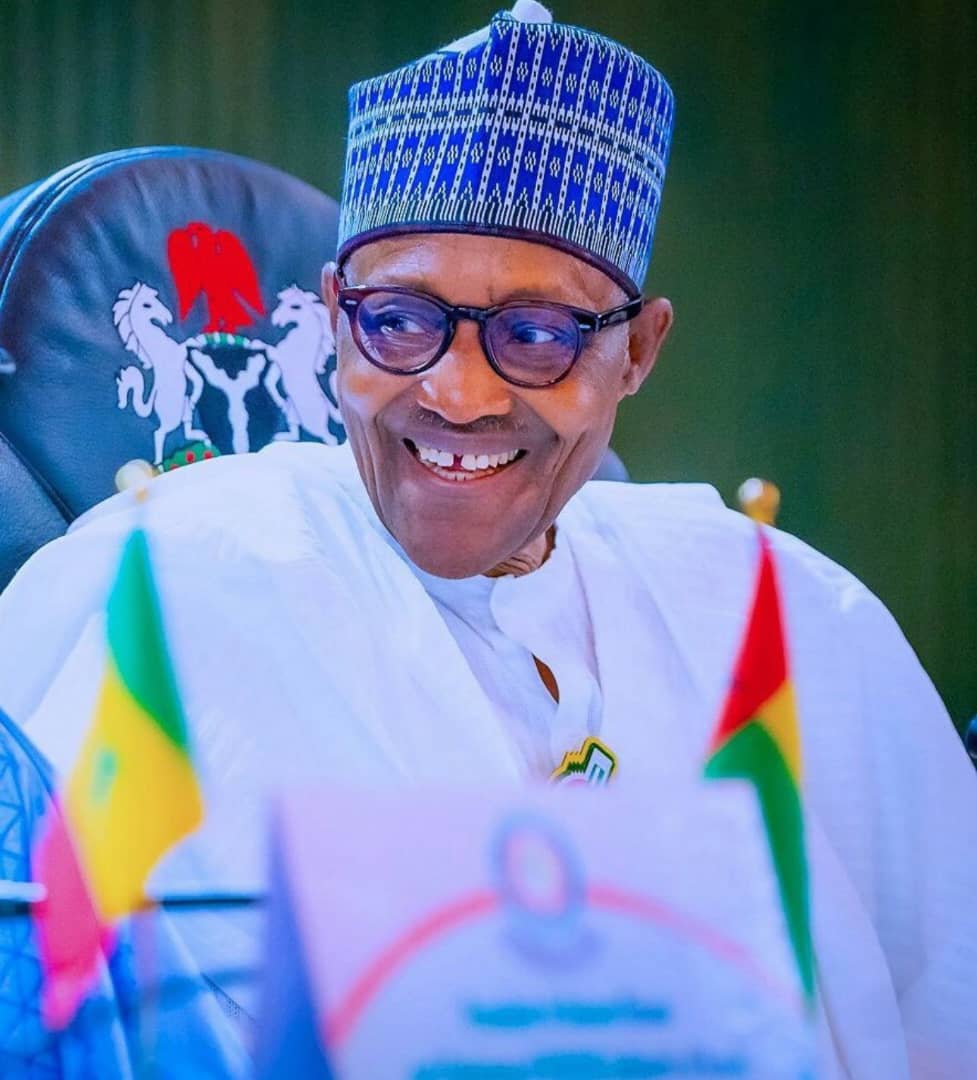
    The passage of the NIHOTOUR Act under President Buhari’s administration was a landmark legislative intervention aimed at correcting historical imbalances in one of Nigeria’s most promising non-oil sectors.It formally established NIHOTOUR as the apex regulatory and capacity-building institution for the hospitality and tourism ecosystem,granting it the legal authority to standardise training,certification,and research activities across the country.This was not merely a bureaucratic gesture,it was a visionary step towards professionalising a sector that has the potential to generate millions of jobs and serve as a vehicle for cultural diplomacy,economic diversification,and sustainable development.

    Although the tourism community had long advocated for the creation of a standalone Ministry of Tourism to spearhead national policy and investment strategies,President Buhari offered something just as substantial,a legal framework that empowers the industry from the ground up.The NIHOTOUR Act provides a structural foundation for building a skilled workforce,formalising informal sector activities,and bridging the gap between tourism education and industry practice.It signified recognition at the highest level that Nigeria’s tourism future would not be built by slogans,but by institutions,standards,and people.

    Today,the NIHOTOUR Act stands as a symbol of policy vision and commitment to the long-term sustainability of hospitality and tourism in Nigeria.

    For professionals,entrepreneurs,educators,and investors,it is a beacon of hope,an affirmation that the government sees value in this sector and is willing to invest in its future.

    As stakeholders continue to bicker over its full implementation and necessary refinements,there is no doubt that this singular Act may one day be remembered as one of President Buhari’s most enduring legacies,not just for the tourism sector,but for national development as a whole An Institutional Framework Long Overdue

    Before the passage of the NIHOTOUR Act 2022,Nigeria’s hospitality and tourism industry operated in a largely unregulated and inconsistent environment.

    Despite being a high-potential sector with the capacity to drive inclusive economic growth,job creation,and cultural diplomacy,it suffered from a chronic lack of structure.
    Training institutions existed,but there was no unifying curriculum or standard to guide learning outcomes.

    As a result,training efforts were fragmented and often not aligned with global industry requirements.

    This structural gap affected every layer of the workforce -from front office staff and chefs to tour guides,cleaners,security operatives,and hotel managers.

    Many professionals in the sector acquired their skills informally,often through apprenticeship or on-the-job learning.

    While this system produced some competent hands,it also led to the proliferation of substandard practices,poor service delivery,and a lack of professionalism.

    Without a recognized path for certification and career progression,workers were limited in their capacity to grow,and the industry as a whole lacked competitiveness.

    Moreover,the absence of a regulatory framework meant that operators could enter and exit the industry without any quality control,thereby weakening consumer trust and limiting investor confidence.

    This lack of structure also made it difficult for the government to harness the sector’s full potential in terms of investments,formal employment data,and strategic planning.
    Tourism policies were often crafted in isolation,without a solid base of trained human capital to support implementation.

    The NIHOTOUR Act 2022,therefore,marked a turning point.It established a legal and institutional foundation to address these longstanding challenges by empowering NIHOTOUR as the body for training,research,regulation,and professional development in the sector.

    The Act mandates the Institute to develop and implement standardized curricula,conduct professional examinations,accredit training centres,and issue recognized certificates,including collaborations with existing Institutes and government institutions in achieving its mandates.

    This not only gives legitimacy to tourism and hospitality training but also introduces accountability and structure into the system.

    By placing capacity building at the centre of national development through the tourism and hospitality sector,the NIHOTOUR Act serves as both a policy instrument and a nation-building tool.

    It provides a clear pathway for skills development,career advancement,and professional recognition,regardless of one’s background or entry point into the industry.

    It ensures that the sector no longer depends on informal structures alone but is built on a solid institutional framework that fosters excellence,professionalism,and global relevance.

    Building Uniformity and Global Competence

    This legislation has the potential to revolutionize the entire landscape of workforce development within Nigeria’s hospitality and tourism sector.

    For the first time,the nation has a legally backed framework that integrates both skilled and unskilled labour into a structured system of education,certification,and professional recognition.
    By formalizing training processes and promoting structured capacity building,the Act ensures that the entire spectrum of the workforce -whether in hotels,restaurants,airlines,cultural heritage sites,or tourism enterprises -can now access credible, recognized pathways to professional growth

    This is a major leap forward in a sector where informal employment and low standards have long hindered progress.

    One of the Act’s most powerful provisions is its commitment to promoting uniformity in professional standards across all states and regions.

    Regardless of whether a hospitality worker is based in Lagos,Jos,Owerri,or Sokoto,the NIHOTOUR Act ensures a common baseline of competencies,ethics,and expectations.

    This national consistency is critical not just for service delivery but also for improving customer experience and investor confidence.

    Furthermore,it lays the groundwork for the creation of a national database of certified professionals,ensuring that only qualified individuals are engaged across various roles within the industry.

    Importantly,the Act introduces modern mechanisms such as competency-based education and the periodic accreditation of training centres,thereby creating a self-sustaining and quality-assured training ecosystem.
    Institutions that meet these rigorous standards will be empowered to produce highly competent graduates,while those that fall short will be required to improve or risk losing accreditation.

    In this way,the law doesn’t just train individuals,it compels institutions to raise their game and align with both national priorities and global expectations.

    The mandate to collaborate with both local and international institutions further ensures that Nigerian professionals remain competitive on the global stage,learning from the best and benchmarking against the most successful models.

    These visionary provisions point to a deeper understanding of what it takes to build a future-ready tourism economy,one that is resilient,inclusive,and performance-driven.

    The NIHOTOUR Act anticipates future demand by fostering innovation,encouraging digital adoption,and enhancing entrepreneurial thinking in training design and delivery.

    It invites both the public and private sectors to become active participants in shaping a dynamic,responsive workforce.

    With proper implementation,this legislation will not only enhance Nigeria’s domestic tourism experience but also position the country as a formidable destination of choice in the global hospitality landscape.

    Recognising Legislative Gaps —A Call for Unity

    As with many ambitious and progressive legislative instruments,the NIHOTOUR Establishment Act 2022 is not without its imperfections.

    While it provides a much-needed institutional framework for the tourism and hospitality industry,stakeholders across the sector have raised concerns about specific ambiguities and inconsistencies within the law.

    Chief among these are unclear boundaries regarding the Institute’s regulatory authority,the absence of clearly defined working relationships with existing professional bodies except as literarily provided under Section 4(r),and a lack of synchronisation with overarching national tourism development strategies.

    These gaps,if not urgently addressed,may hinder the full implementation and impact of this otherwise groundbreaking legislation.

    For instance,some sections of the Act appear to suggest regulatory exclusivity by NIHOTOUR,which could potentially overlap with or undermine the long-standing functions of industry-specific professional associations and certifying bodies.

    Without clarity and cohesion,there is a risk of duplication,and weakened stakeholder trust,all of which could erode the very gains the Act seeks to institutionalise.

    This is precisely why the current moment demands unity,dialogue,and constructive engagement.Rather than allowing legislative gaps to breed division,now is the time for all stakeholders to come together to shape a common vision.

    Hospitality and tourism associations,public institutions,regulatory authorities,investors,academia,and training providers must convene at a roundtable to address the identified concerns.

    Through lawful amendments if need be,strategic policy alignment,and practical implementation frameworks,we can ensure that the Act serves all players equitably and effectively.

    Moreover,collaboration should not be limited to legal refinement alone.It must extend into joint capacity building,mutual recognition of certifications,coordinated public-private partnerships,and shared accountability mechanisms.

    A harmonised framework,where NIHOTOUR works in synergy with sectoral institutes,training bodies,and regulators,will ensure that quality,relevance,and consistency are preserved without displacing established standards.

    This spirit of cooperation and collaboration will also reassure international development partners and investors who seek coherence and clarity before committing to sectoral interventions.Importantly,the industry must resist the temptation to retreat into silos or turf protectionism.

    The future of Nigerian tourism lies in convergence,not fragmentation.The NIHOTOUR Act should be seen as a foundation,not a final destination.As the sector evolves,so too must our legislative and institutional responses.

    With periodic review,inclusive governance,and open channels of communication,the Act can become a living document,responsive to the needs of a dynamic,diverse,and globally competitiveindustry.We must align our collective ambition with the spirit of the law,not just its letter.

    Ultimately,this is a defining moment for Nigeria’s hospitality and tourism sector.

    We can choose to interpret the gaps in the NIHOTOUR Act as obstacles,or we can see them as invitations to lead,to collaborate,and to innovate.

    The pathway to progress lies in unity.Only by working together can we refine the Act,unlock its full potential,and chart a sustainable course for the sector’s growth.

    The time for coordinated action is now.

    Honouring a Legacy

    The hospitality and tourism industry in Nigeria owes the late President Muhammadu Buhari immense gratitude for granting the sector one of its most important legislative milestones,the NIHOTOUR Establishment Act 2022.

    Though his administration did not create the long-demanded standalone Ministry of Tourism,it gave the industry something equally profound:a statutory framework for human capital development and professional standardisation.

    The Act signaled,perhaps for the first time at the federal level,a genuine recognition of tourism and hospitality as strategic pillars of Nigeria’s national development agenda.

    As the nation mourns the passing of President Buhari,let us honour his contribution by refusing to allow this historic legislation to gather dust.

    Let us breathe life into its vision through action,by implementing structured training,expanding accredited programmes,strengthening institutional capacity,and promoting cooperation,collaboration and awareness among stakeholders.

    The Act must be used to create real impact:jobs generated,skills upgraded,tourism standards enforced,and Nigeria’s global reputation enhanced through quality service delivery and cultural excellence.

    Ultimately,the NIHOTOUR Act offers the Nigerian hospitality and tourism industry a defining moment, one that can shape the trajectory of the sector for decades to come.

    President Muhammadu Buhari may have departed,but the legacy he left through this legislative action lives on.Let us safeguard it,strengthen it,and most importantly,use it to build a future that is inclusive,professional,and globally competitive.

    This is how we should honour his legacy,not only with words of appreciation but with bold,unified,and strategic action.

    Indeed,if given the full weight of implementation,the NIHOTOUR Act 2022 has the potential to stand as one of the most transformative legacies of President Muhammadu Buhari’s administration.

    It is more than a legislative milestone,it is a blueprint for national capacity development,economic revitalisation,and cultural reawakening through tourism and hospitality.

    This Act represents a rare convergence of vision,policy,and potential,offering Nigeria a structured pathway to unlock the immense value embedded in its people,places,and traditions.This Act stands as a milestone achievement and,if

    properly implemented,will become one of the most enduring legacies of the late president’s administration.

    As the nation bids farewell to a leader whose impact will be debated for years to come,let us ensure that this particular legacy does not remain an unrealised aspiration.

    Let it ignite a renewed commitment among all stakeholders to build a thriving,standardised,and globally respected tourism industry.

    In honouring his memory,may we turn this Act into action and allow President Buhari’s foresight to continue shaping progress long after his passing.

    May his soul rest in peace.May his legacy continue to inspire progress.

    by

    Professor Wasiu Adeyemo Babalola,a Professor of Hotel Management &Tourism at Atiba University Oyo,Director of the African Travel Commission(ATC)and Fellow of the Institute of Hospitality,UK(IoH);Nigeria Hotel &Catering Institute (NHCI);Hospitality &Tourism.

    Management Association of Nigeria(HATMAN);Institute of Tourism Professionals of Nigeria(ITPN),Institute of Hospitality Accountants &Revenue Managers(IHArm),and the Association of Professional Chefs in Nigeria (APCN)

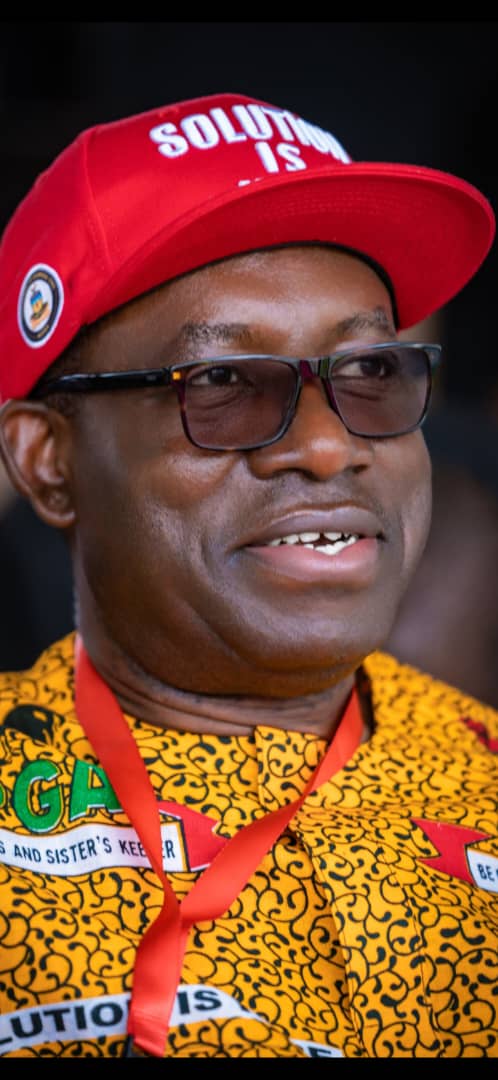
  • Anambra 2025 In Your Hands: Register Now To Vote!

    Anambra 2025 In Your Hands: Register Now To Vote!

    By Christian ABURIME

    Democracy is said to be a game of numbers. As more people are eligible and able to vote in a free and fair election, the better are chances the electorate have of electing the right candidate they want. But it all starts with duly registering to be able to vote.

    Which is why the Independent National Electoral Commission (INEC) has opened a critical window for the Continuous Voter Registration (CVR) in Anambra State, running from July 8 to July 17, 2025, in preparation for the November 8, 2025 Governorship Election. This comes as a golden opportunity for all eligible citizens and residents of Anambra State to take action, register, and ensure their voices are heard in shaping the future of our beloved state.

    Why does your vote matter?
    The governorship election is a pivotal moment for Anambra State. It is an opportunity to choose a leader who will drive progress, sustain development, address the needs of our communities, and realise our grand vision of transforming Anambra into a prosperous smart megacity.

    The CVR is open to all eligible voting categories in Anambra State. If you are 18 years or older and have never registered to vote, now is the time to join the voters’ register. If you have relocated to Anambra from another state or within the state, you can update your voter registration to your new location. If your Permanent Voter Card is missing or damaged, you can apply for a replacement during the CVR. And if you registered previously but have not collected your PVC, you can pick it up at designated registration centres.

    The CVR takes place daily from 9:00 am to 3:00 pm, including weekends, across all 326 wards in Anambra State. This decentralised approach ensures that registration centres are accessible in every community, making it easier for you to participate. To find the nearest registration centre, visit INEC’s official website or scan the QR code shared on their social media platforms.

    For those needing to update their voter details or revalidate their information, INEC also offers an online portal for corrections, though fresh registrations must be completed in person at designated centres.

    However, the CVR window is quite short, running from July 8 to July 17, 2025, now less than a week to go! Even more critical is the fact that INEC has emphasised that voter registration must be completed at least 90 days before the election, as mandated by law. After July 17, the opportunity to register or update your voter details for the governorship election will close, and no further registrations will be accepted until after the election.

    Reinforcing the importance of the CVR, Dr. Elizabeth Agwu, Anambra’s Resident Electoral Commissioner, has urged residents to take the registration exercise seriously, stating, “It’s not right to sit at home on election day and later complain about bad governance. One vote can make a difference.”

    So, Ndi Anambra, start today by locating your registration centre. Check INEC’s website or social media for the list of 326 ward-level registration centres. Ensure you have valid identification for fresh registrations or proof of previous registration for transfers or replacements. As the CVR ends on Thursday July 17, 2025, don’t wait until the last day to avoid long queues or technical issues. Above all, spread the word by encouraging friends, family, and neighbours to register, because Anambra’s progress depends on collective participation.

    In the end, the 2025 governorship election is a chance to build on Anambra’s achievements and chart a path towards greater prosperity. INEC has assured residents of a transparent and credible electoral process, with 300 Bimodal Voter Accreditation System (BVAS) scanners configured and ready for the election. Security agencies are also committed to ensuring a safe voting environment.
    The Anambra 2025 is now in your hands. Register today, secure your PVC, and make your voice heard on November 8, 2025. Anambra State will continue to rise under Governor Chukwuma Charles Soludo!

  • Birthday Cheer To Christian Aburime: A Press Secretary Par Excellence.

    Birthday Cheer To Christian Aburime: A Press Secretary Par Excellence.

    By Dennis Onifade

    In the fast-paced, high-stakes sphere of government communication, few roles are as demanding as that of a governor’s Press Secretary.

    The position requires sharp intellect, untiring agility, and the savvy to maintain a delicate balance between media relations, strategic messaging, and personal integrity.

    For the past three years, Christian Aburime, Press Secretary to Anambra State Governor, Professor Chukwuma Charles Soludo, CFR, has not only risen to the occasion but has excelled in it with remarkable finesse.

    Since assuming office, Aburime has been a steady, resonant voice amplifying the vision and achievements of the dynamic Soludo administration.

    His role goes beyond issuing press statements; he ensures that the governor’s policies, projects, and progressive trajectories remain consistently in the public eye.

    In these days where information moves at lightning speed, Aburime’s ability to craft timely, clear, and compelling narratives has kept Anambra State in the spotlight for the right reasons.

    What also stands him out more impressively is his media savvy and rapport with journalists. In a profession where trust is currency, Aburime has always maintained a friendly open-door policy with the press, cultivating mutual respect and seamless communication.

    Whether addressing breaking news or managing complex public discourse on crises, he does so with a rare blend of professionalism and approachability, a trait that has endeared him to both media practitioners and the public.

    Yet, beyond the demands of his high-profile role, Aburime remains a devoted family man. Despite the relentless schedule that comes with being on the governor’s entourage, he makes time for his wife and children, proving that excellence in public service does not have to come at the expense of personal wellbeing.

    His ability to juggle these responsibilities while staying grounded speaks volumes about his balanced character.

    Even more commendable is his unrelenting thirst for knowledge. In a proof of his belief in lifelong learning, Aburime is never complacent but keeps pursuing postgraduate studies at a university in Anambra, aiming at a subsequent PhD, and ultimately sharpening his intellectual prowess while excelling in his duties.

    This drive for self-improvement affirms his commitment to excellence, not just in his career, but in personal growth as well.

    Perhaps what further define him are his humility, sensitivity and warmth as a person and friend. Despite the clout of his office and his academic pursuits, he remains the same jovial, down-to-earth friend many have known for years. An affable gentleman at heart, just a little banter in his company sparks his hearty laughter into brightening up the mood.

    His fidelity to true friends, old and new, remains enduring, proving that success has not “got to his head” or diluted his humanity.

    As he celebrates another year today, it is only fitting to acknowledge Christian Aburime not just as an outstanding Press Secretary, but as a man who embodies professionalism, intellectual curiosity, and balance.

    His course of life is definitely inspiring and endearing, a proof that with hard work, resilience, and a good heart, one can thrive in service while continuously evolving in life.

    Happy Birthday, OC! May this day, in this refreshing season of showers of rain, bring more showers of blessings and happiness your way. And may the years ahead bring you even greater achievements, joy, and fulfillment. Cheers!

  • Governor Soludo Engages Ndi Anambra In The USA/North America,As Tour Of Accountability And Inclusive Governance Continues.

    Governor Soludo Engages Ndi Anambra In The USA/North America,As Tour Of Accountability And Inclusive Governance Continues.

    By Christian ABURIME  

    As the 2025 Anambra State governorship election draws closer, political candidates are crisscrossing the state, making promises and rallying support.

    Yet, while opposition candidates are deep in campaign mode, Governor Chukwuma Charles Soludo, CFR, is taking a different approach, one that demonstrates his commitment to good governance over routine politics.

    That is how statesmen and visionary leaders are separated from politicians; visionary leaders are mindful of leaving enduring positive impact while politicians are desperate to just win the next election.

    On Sunday, July 6, the governor will engage with the Anambra Diaspora community in the US and North America at a town hall meeting in Maryland. This is not an election campaign stop; it is another chapter in his administration’s untiring dedication to accountability and inclusive governance that has been the trend in the past three years.

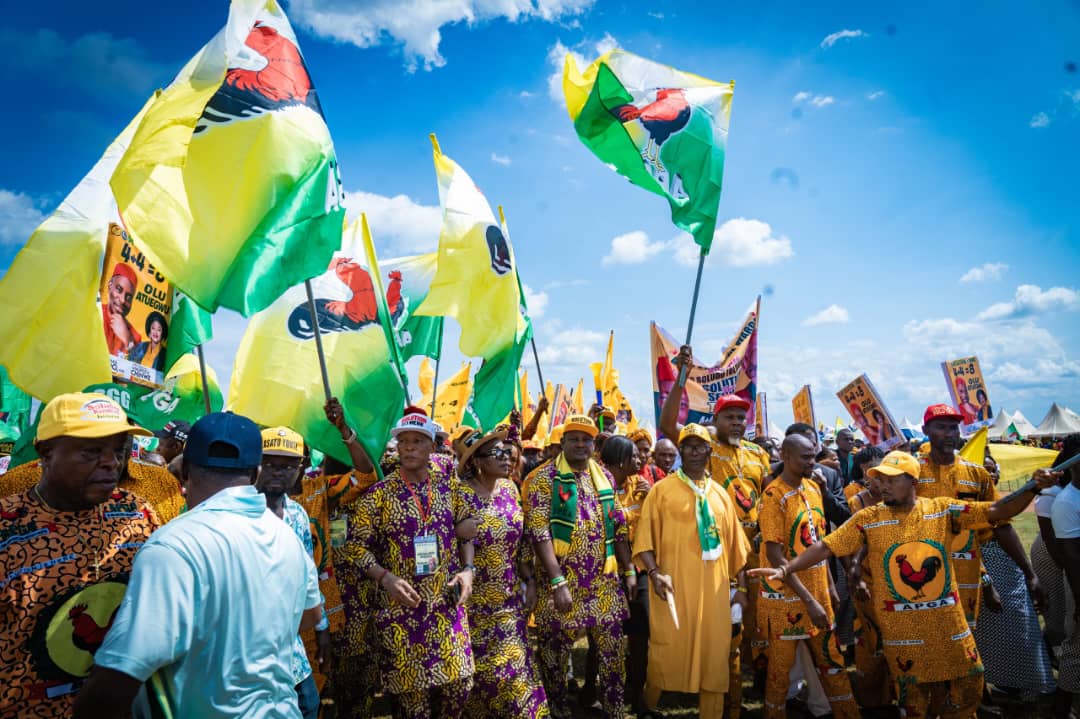
    Governor Soludo’s decision to embark on this Diaspora engagement at a time when others would be focusing solely on the upcoming election speaks volumes about his leadership philosophy. Unlike typical politicians who flood the airwaves with their usual empty promises as elections approach, Governor Soludo is choosing to let his record speak for itself.

    His administration has held similar town hall meetings this year: first in Lagos, then Abuja, and later in the UK/Europe, where he presented his achievements, addressed concerns, and outlined his vision for the future of Anambra State.

    This upcoming US/North America meeting is a continuation of that noble tradition. It demonstrates that Prof. Soludo sees governance as a continuous contract with the people, not just a seasonal obligation tied to election cycles.

    While his opponents are busy making grand declarations or criticising his government, Governor Soludo is busy reporting back to the people, proving that his administration values transparency and performance over political theatrics.

    Since assuming office, Governor Soludo has pursued an ambitious Solution agenda anchored on economic transformation, security, infrastructure, and human capital development. His administration has made significant impact in areas such as:

    Security: Reducing crime through strategic interventions like Agunechemba and technology-driven policing; Infrastructure: Massive road construction and urban renewal projects across the state; Education: Overhauling the public school system, implementing free education policy and recruiting thousands of teachers;

    Healthcare: Building new general hospitals, upgrading others, hiring new doctors/nurses and granting free antenatal services to women; Economic Growth: Attracting investments, industrialising, empowering youths, and so much more.

    These achievements are tangible results that directly impact the lives of Anambra citizens.

    By engaging the Diaspora, Governor Soludo recognizes their critical role in the state’s development. In fact, many Ndi Anambra in the US and Canada are key investors, professionals, and philanthropists whose contributions can further accelerate the state’s growth.

    This town hall is an opportunity to align their expertise and resources with the state’s developmental goals.

    Thus, the Diaspora town hall is a strategic engagement that reinforces Governor Soludo’s belief in participatory governance.

    Anambra’s global citizens deserve to be carried along in the state’s progress, and this meeting ensures they remain stakeholders, not just spectators from afar.

    Moreover, it sends a powerful message that Governor Soludo is not a leader who governs in isolation. He listens, he reports, and he collaborates.

    While opposition candidates scramble for attention with their usual empty promises, Governor Soludo’s confidence in his performance allows him to focus on governance. He understands that true leadership is not about loud campaigns but about measurable impact.

    As he meets with Ndi Anambra in Maryland with his score card, the message will be ringing loud and clear: performance will always outweigh propaganda.

    It is also a reaffirmation that accountability should never take a back seat, even in an election season. In the end, that is what will matter most to the people of Anambra State.

  • Soludo’s Achievements Speak Louder Than Campaigns.

    Soludo’s Achievements Speak Louder Than Campaigns.

    By Christian ABURIME 

    Political campaigns are among the exciting features of modern democracy. Candidates for an election must campaign to woo the people. But when the people are the one endorsing and campaigning for a candidate when he has not even started campaigning, it signals an interesting development. 

    The candidate must have won the hearts of the people before a single vote is cast!

    The recent endorsement of Anambra State Governor, Professor Chukwuma Charles Soludo, CFR, by Anambra North stakeholders, culminating in the conferment of the now famous Oluatuegwu chieftaincy title, marks a pivotal moment in Anambra State’s political landscape.

    This cross-party show of support, featuring traditional rulers, current and former officials, and grassroots leaders, reflects a rare consensus in Nigerian politics, especially in the context of the state’s often fractious electoral history.

    The rally’s theme, “SUSTAINING THE SOLUTION LEGACY: A PATH TO DISRUPTIVE DEVELOPMENT IN ANAMBRA STATE,” proves the stakeholders’ focus on tangible governance outcomes.

    The testimonials from both APGA and PDP leaders highlight Governor Soludo’s infrastructural achievements and his reputation as a “transformer” who was fully “prepared, for the job.”

    Also, the unanimous affirmation of the zoning formula demonstrates its entrenched role in Anambra’s politics, providing a framework for orderly succession and regional inclusion. Stakeholders’ insistence that Governor Soludo “must complete his second tenure” signals a collective commitment to political stability in the state.

    The presence and vocal support of opposition figures, notably from the PDP, provides another rare moment of bipartisan alignment in Anambra politics.

    This not only neutralises potential divides but also amplifies the legitimacy of Governor Soludo’s all-embracing candidacy.

    In the same way, the turnout of over 10,000 supporters and the enthusiastic participation across all seven LGAs of Anambra North at the rally indicate robust grassroots engagement, a critical asset in Nigerian elections.

    What is a politician or a candidate without strong roots where it matters most? That can only be a lightweight contestant, which Governor Soludo is not.

    By the way, the governor’s emphasis on governance over politicking, and his pragmatic advice to “collect whatever money the alleged opponents give them,” positions him as both a focused leader and a shrewd political operator.

    This narrative would resonate with discerning voters who are weary of empty campaign promises but are exposed to pecuniary indictments by desperate politicians!

    With the opposition fragmented and key political heavyweights rallying behind the incumbent, Governor Soludo enters the November 8 election as the clear frontrunner.

    The event’s optics, a convergence of tradition, political endorsement, and mass mobilisation, all set a formidable stage for his re-election campaign.

    Thus, the Anambra North endorsement rally was more than a political event; it was a veritable demonstration of unity, continuity, and confidence in Governor Soludo’s leadership as contained in their collective communique at the event.

    By consolidating support across party lines and reaffirming the zoning principle, stakeholders have not only strengthened Governor Soludo’s re-election prospects but have also signalled a collective aspiration for sustained development and political stability in Anambra State.

    When Soludo wins, Anambra wins!

  • Quest For New Political Order And Soludo’s Prescription Of Ideology

    Quest For New Political Order And Soludo’s Prescription Of Ideology

    By Christian ABURIME

    Whenever the national discourse borders on policies, polity and politics, Anambra State Governor, Professor Chukwuma Charles Soludo, CFR, is in his most perceptive, dispassionate, blunt elements.

    In his most provocative intervention yet, in his Democracy Day speech, Governor Soludo diagnoses what may be Nigeria’s most fundamental political ailment: the absence of ideological foundation in its party system.

    His frank assessment that contemporary Nigerian politics consists of “one party, ‘Nigerian Elite Plc’ (NEP), with the sole goal of grabbing power and governing ‘as the spirit directs’” represents perhaps the most dispassionate review of the country’s democratic adventure.

    Governor Soludo’s prescription is equally bold: “…We must give our politics a soul by intentionally orchestrating ideologically driven political parties.” This clearly goes beyond just prescribing political reform to advocating the very survival of Nigerian democracy.

    To understand the depth of Nigeria’s current politics, Governor Soludo invites us to examine what we have lost. His nostalgic reflection on the Second Republic (1979-1983) reveals a period when political parties actually meant something distinct. The six parties, GNPP, NPN, NPP, PRP, UPN, and NAP, were not just electoral vehicles but represented genuinely different visions for Nigeria’s future.

    “I can still remember their ideologies and cardinal programmes,” Governor Soludo reminisces, “and I miss the rigorous ideological debates among parties of those days.” This is a resonant nostalgia for a time when politics had substance.

    Chief Obafemi Awolowo’s UPN states uniformly implemented “free education and free medical services,” while NPN states pursued “mass housing and green revolution” programmes. Citizens could then predict policy outcomes based on which party governed their state. Even the Third Republic’s brief experiment with ideologically defined parties, NRC as right of centre and SDP as left of centre, represented a more sophisticated approach to democratic organisation than today’s ideological vacuum.

    Indeed, Governor Soludo’s concept of “Nigerian Elite Plc” brilliantly captures the reality of contemporary Nigerian politics. Rather than competing ideologies, what we have are “different factions of the NEP, largely split by quarrels over exclusion or inclusion in the ‘dining table’.” This analysis exposes the transactional nature of modern Nigerian politics, where principles matter less than proximity to power.

    The governor’s observation that individuals who “can’t get a sit at the table suddenly realise that ‘nothing is working’” and either form new parties or join opposition movements “to fight for a better Nigeria”, which he correctly identifies as “a euphemism for ‘bring me closer’”, reveals the cynical foundation of much political opposition in Nigeria.

    This dynamic explains why Nigerian politics feels so predictable yet chaotic. Predictable because regardless of which faction wins, the fundamental approach to governance remains unchanged. Chaotic because without ideological anchors, policy directions shift with personnel changes and political calculations.

    Then, Governor Soludo poses a poignant question about Nigeria’s two dominant parties: “Can you tell an APC or PDP state if you see one? What is the difference?” The inability to answer this question definitively exposes the bankruptcy of contemporary party politics. In healthy democracies, party control typically produces visible differences in policy priorities, governance approaches, and developmental outcomes.

    The “speed with which people switch parties,” as Governor Soludo notes, testifies to the reality that “political parties are mere platforms of convenient opportunism, no principles, no public purpose, only personal convenience!” This political nomadism would be impossible if parties represented genuinely different worldviews. Even the APC, which began as a merger designed to challenge PDP dominance, represents what the governor describes as “a marriage of convenience” rather than ideological coherence. After “10 years of governing at the centre and controlling most states of Nigeria,” the party still lacks clear ideological foundations.

    Perhaps, Governor Soludo’s most candid assessment concerns the registration process for political parties. His review reveals that party manifestos are “largely ‘copy and paste’, to scale through registration by INEC, with little or no substantive differences.” This bureaucratic approach to party formation ensures that new parties emerge not from genuine ideological movements but from administrative requirements.

    The result is what Prof. Soludo identifies as an ideological paradox: “In substance, almost all the political parties subscribe to the social democratic ideals (left of centre). Ideologically speaking, there are no opposition political parties in Nigeria.” In other words, when everyone claims the same ideological space, ideology becomes meaningless.

    This explains why “the executive would still have to ‘lobby’ members of its own party in the legislature to support its agenda.” Without ideological discipline, party membership provides no guarantee of policy alignment.

    So, what is the redemptive path forward? Governor Soludo’s solution is as radical as his diagnosis. He argues that “organising Nigerians around ideological divides is the sustainable way to mobilise citizens across ethnic and religious divides.” This represents a fundamental reimagining of Nigerian politics, moving from ethnic and regional calculations to ideological alignments. If done, the potential transformation would be profound.

    Instead of politics organised around “turn by turn” ethnic rotation or what he calls “Chop I Chop politics,” ideologically driven parties could create “transformational politics of development” that transcends parochial interests.

    Yet, the governor also acknowledges uncertainty about implementation, as he says “I don’t know how the authentic parties will emerge”, but advocates for intentional intervention through “legislation or regulation.” This suggests that ideological party formation may require state intervention via constitutional guidance rather than organic development.

    The timing of Governor Soludo’s intervention is really significant. Speaking on Democracy Day, he essentially argues that Nigerian democracy lacks its most essential component: meaningful ideological choice.

    Citizens can change governments but not governance approaches because all parties represent variations of the same elite consensus. His assertion that “the time for both was yesterday but today is still on time. Tomorrow may be too late” creates urgency around political reform. The warning also suggests that without ideological grounding, Nigerian democracy may continue to struggle with its current challenges.

    On a more profound praxis, the Anambra State Governor’s vision extends beyond party politics to fundamental questions about Nigerian nationhood itself. Ideological parties could serve as vehicles for the “new Nigerian” he advocates, citizens organised around shared values rather than ethnic identities. Even the connection to his earlier theme of creating rather than rebuilding Nigeria becomes clear: ideological politics could provide the organising principle for national unity that ethnic federalism has failed to deliver.

    Thus, Governor Soludo’s exposition forces uncomfortable questions about Nigeria’s democratic trajectory. If political parties are merely factions of the same elite club, can elections produce meaningful change? If all parties advocate similar policies, what does political choice really mean?

    This discussion implies that Nigeria’s political crisis runs deeper than corruption or bad leadership; it is about the absence of competing visions for the country’s future. Without ideological competition, politics becomes purely transactional, and democracy loses its transformative potential.